Aesthetic Clinic Marketing in London: How to Get Found
 By Surinder Ahitan · 9 min read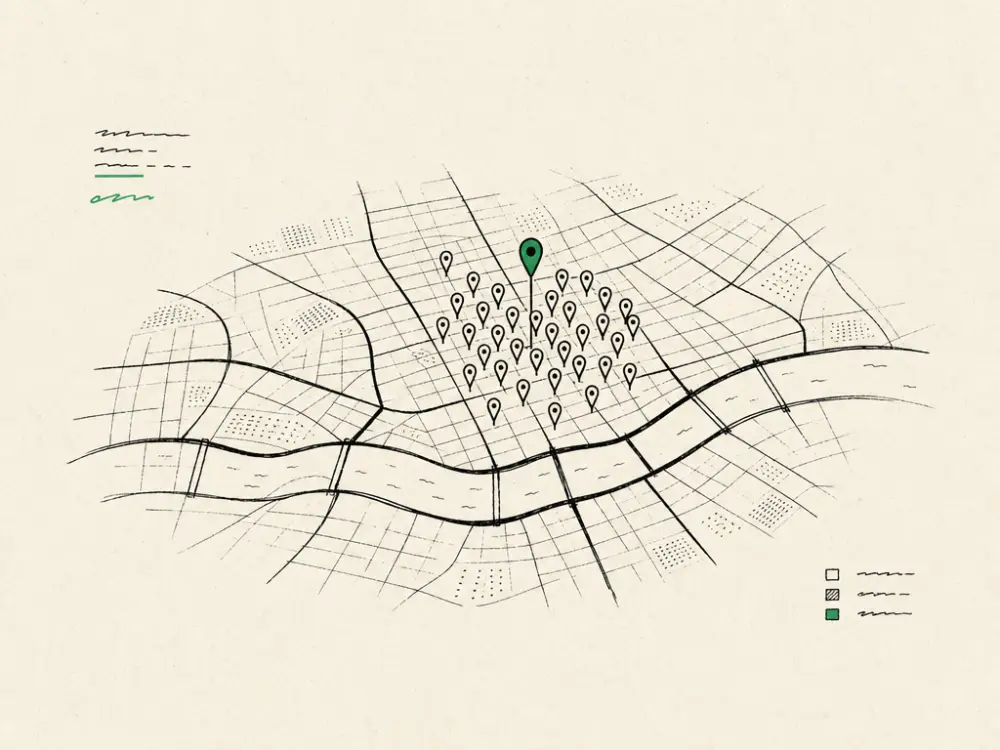
London is the market every aesthetic clinic owner wants to win and the one most of them quietly lose money in. The treatment prices are higher, the patients have more disposable income, and there are more of them per square mile than anywhere else in the country. That’s the upside. The downside is that everyone else has worked this out too.
I’ve looked at the local search results for “lip filler London”, “Botox Mayfair”, “skin clinic Clapham” — and the pattern is always the same. Forty or fifty clinics fighting over the same handful of map-pack slots, half of them spending a fortune on ads to paper over the fact that they don’t rank organically at all. The clinics that win London aren’t the ones with the biggest budgets. They’re the ones who stopped treating London as one market and started treating it as the forty or fifty small markets it actually is.
Here’s how I’d approach it.
Why “London” is the wrong target
The first mistake I see is owners trying to rank for “aesthetic clinic London” or “Botox London” as if those were realistic goals. They’re not. Those terms are dominated by directories, big chains with dozens of locations, and clinics that have been building authority since 2015. A single-site clinic in Fulham has almost no chance of cracking the top three for “Botox London”, and chasing it burns money for nothing.
The patients you can actually win aren’t searching “London” anyway. They’re searching “lip filler near me” from a phone in SW6, or “skin clinic Parsons Green”, or “profhilo Fulham”. London is too big to be a search term. Nobody crosses the city for a consultation when there are ten clinics within walking distance. Your real market is the two or three postcodes around your door — and that market is winnable.
So the question isn’t “how do I rank in London.” It’s “how do I own my corner of London.” That’s a completely different, and much more achievable, job.
Win your postcode before you win the borough
Local search rewards proximity above almost everything else. When someone searches a treatment on their phone, Google weights results heavily towards the businesses physically nearest them. That works against you across a city the size of London and for you within your immediate area.
Your Google Business Profile is the lever here — it decides the map pack, and the map pack is where local clicks go. The fundamentals matter more in London than anywhere because the competition is denser:
- Primary category set to “Medical spa” or “Skin care clinic”, never “Beauty salon” — that single setting decides which searches you appear for.
- Every treatment listed as a distinct service with its own name. A Chelsea clinic with thirty named services out-ranks one with five umbrella services on every long-tail search.
- Photos refreshed every couple of weeks — interior, exterior, team. Google reads freshness as a sign the business is active, and in a competitive area that’s a tie-breaker.
- Reviews collected relentlessly. In a low-competition town, forty reviews might win. In London you need a steady, compounding flow because your neighbours have two hundred.
If your profile is half-finished, fix it before you spend another pound on anything else. I wrote the full setup in the Google Business Profile post — in London it isn’t optional, it’s the whole game.
Build pages for areas, not the whole city
Once your profile is solid, the website’s job is to tell Google exactly where you operate. One generic page that says “we serve London” tells it nothing useful. London clinics that rank have separate, genuine pages for the areas they actually draw patients from.
If your clinic sits in Fulham but pulls patients from Parsons Green, Putney and Chelsea, you want a real page for each — not thin doorway pages stuffed with a postcode, but proper content. What treatments are popular in that area, where you are relative to the local landmarks, how to reach you, what local patients tend to ask about. Each page earns its own rankings for “[treatment] [area]” searches that the big chains ignore because they’re too generic to bother.
The test is simple: would this page be useful to a real person who lives in that area? If it reads like it was written for Google, it’ll rank for nothing. If it reads like local, specific advice, it has a chance.
This is where most multi-area London clinics leave easy wins on the table. They have the patients and the premises; they just never built the pages that would let Google connect the two.
Use price and specialism to escape the crowd
London patients research harder and pay more, which means they search with more precision. Very few clinics optimise for that. Everyone targets “Botox” and “filler”; almost nobody builds proper content around “tear trough filler Kensington” or “polynucleotides London” or “non-surgical rhinoplasty Harley Street”.
The narrower the search, the fewer clinics are competing, and the higher the intent of the person typing it. Someone searching a specific treatment by name in a specific area is closer to booking than someone typing “skin clinic near me”. Those specific terms are where a single-site clinic can genuinely beat a chain — the chain’s pages are too broad to rank for them, and the specialist’s are not.
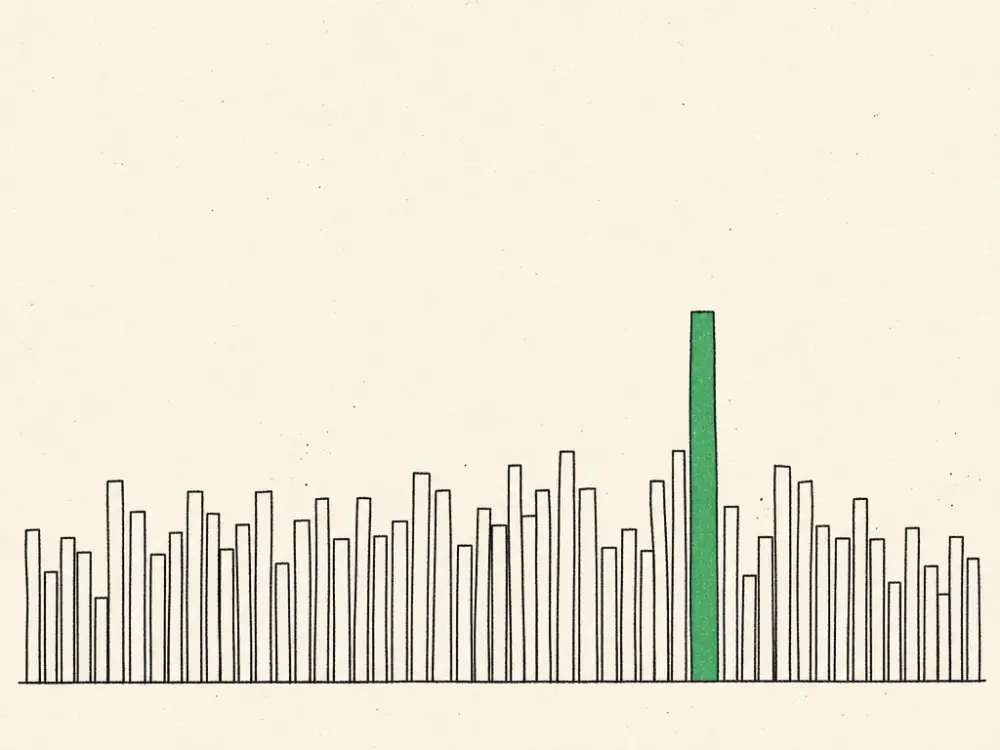
Look at what you do better or differently than the clinic down the road, and build your content around that, anchored to your area. Don’t try to be the cheapest Botox in London. Be the obvious choice for one specific treatment in one specific corner of it.

Don’t let paid ads hide a ranking problem
Plenty of London clinics survive on Google Ads alone, spending heavily every month because the moment they switch the ads off, the bookings stop. That’s not a marketing strategy — it’s a tax you pay forever because the organic foundation was never built.
Ads have a place in a city this competitive. They can buy you visibility while your organic rankings climb, and they’re useful for launching a new treatment. But if you’re spending four figures a month on ads and ranking nowhere organically, you don’t have an ads problem, you have a foundations problem. Fix the profile and the local pages first, and every pound of ad spend afterwards works harder — because patients who click an ad then check your reviews and your site before they book.
That’s the difference between Reach (R1 in the framework) built to last and Reach you rent by the month. One compounds. The other empties your account.
What to do this week
Pick these off in order:
- Name your real market. Write down the two or three postcodes your patients actually come from. Stop trying to rank for “London” and start trying to own those.
- Audit your Google Business Profile against the basics above — category, services, photos, reviews. This is the highest-return hour you’ll spend.
- List the areas you serve and check whether you have a real page for each. If you don’t, that’s your next month of content.
- Find your specialism. Pick the one treatment-plus-area combination where you can credibly be the best answer, and build a proper page for it.
London is brutal if you treat it as one market and very winnable if you treat it as many. The clinics quietly booking out their diaries aren’t outspending everyone — they’ve just stopped fighting for the whole city and started owning their patch of it.
Surinder Ahitan grew the CoLaz aesthetic clinic group from one to nine UK locations in six years, mainly through local search rankings rather than paid ads. If you’d like a structured audit of how your clinic ranks in your part of London — and which fixes would move bookings fastest — the free audit takes 15 seconds and lands in your inbox shortly after.