Most aesthetic marketing advice you'll read is noise. After twenty years building nine UK aesthetic clinics with SEO and websites — and almost no Facebook ads or social media obsession — here's what actually moves the needle, and what to stop spending money on.
Marketing for an aesthetic clinic in the UK is a regulated activity. The ASA enforces strict rules on claims, the JCCP register matters for trust, and patient acquisition has very specific local dynamics. Generic marketing advice doesn't survive contact with any of this.
The two levers
Getting found — SEO for the local searches your patients are already typing into Google. Compounds. Hard to disrupt once it's working.
Converting traffic — a website built to book, not to look pretty. The bottleneck most clinic owners haven't noticed.
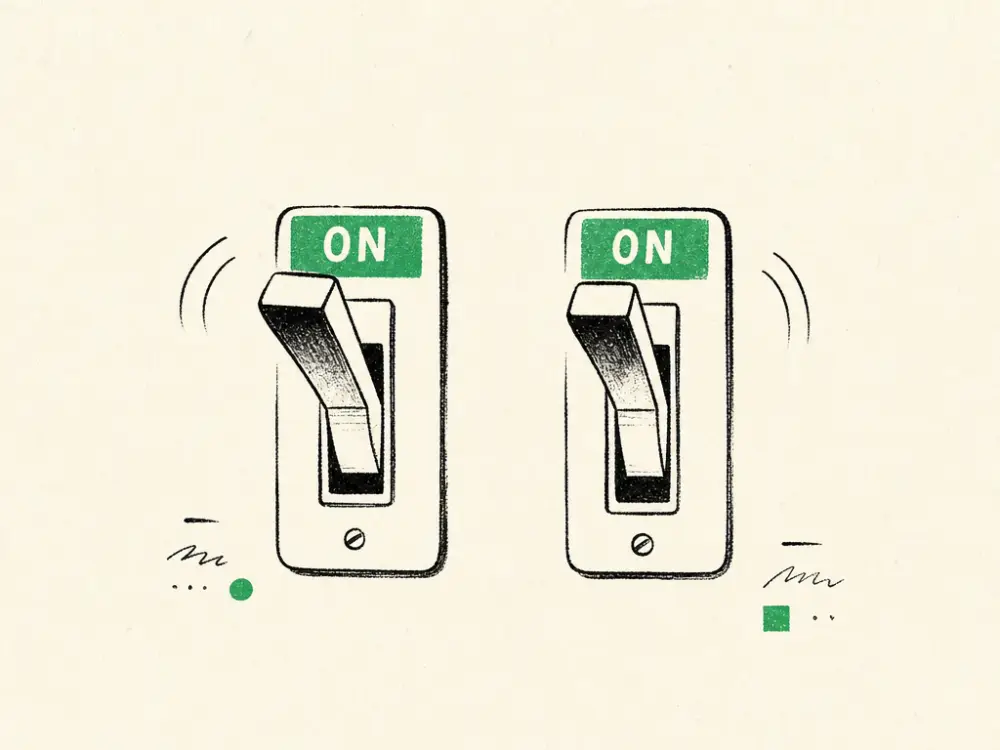
This isn't theory I read in a marketing book. It's the exact approach I used to take CoLaz from a single room to nine clinics — ranking #1 locally for the treatments that paid the bills, and converting that free, compounding traffic into a full diary.
In practice — Southall, 2018
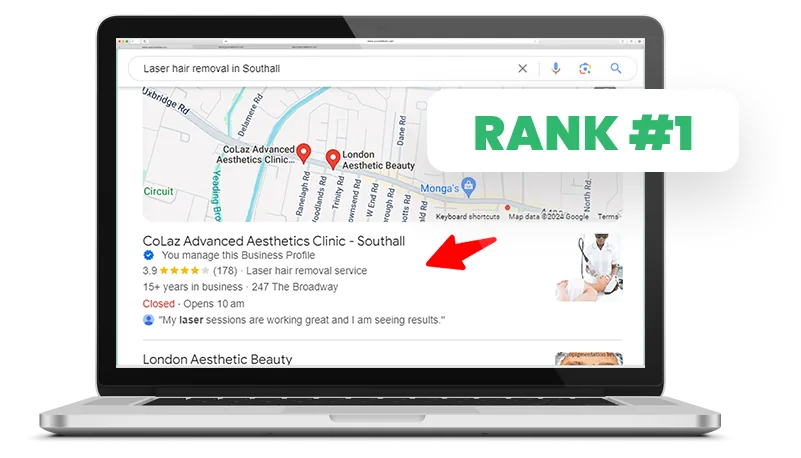
What an aesthetic marketing system covers
"Marketing" is a vague word, so here's the concrete version — the four parts that actually move a clinic's diary, in the order they should be built:
-
Get found
Local SEO so patients searching your town and your treatments find you before a competitor. The compounding channel — it keeps paying after the work is done.
-
Convert the traffic
A website engineered to turn a visitor into a booked consultation: fast, clear, trustworthy, built around the patient decision — not a brochure that looks pretty and books nobody.
-
Earn trust
Review velocity, Save Face / JCCP signals, compliant before-and-afters, and the credibility cues that make a nervous patient choose you over the clinic down the road.
-
Amplify — only then
Once the foundation converts, paid search and Google Ads multiply demand you can't yet rank for. Switched on in this order, ads earn their keep instead of burning budget.
What doesn't work
- Generic Facebook/Instagram ads — high CPA, low LTV, ASA risk on aesthetic claims
- Social media posts — engagement ≠ bookings
- 10-in-1 agencies — diluted attention, no specialism, recurring-fee dependency
- Generic web designers — pretty but unfound
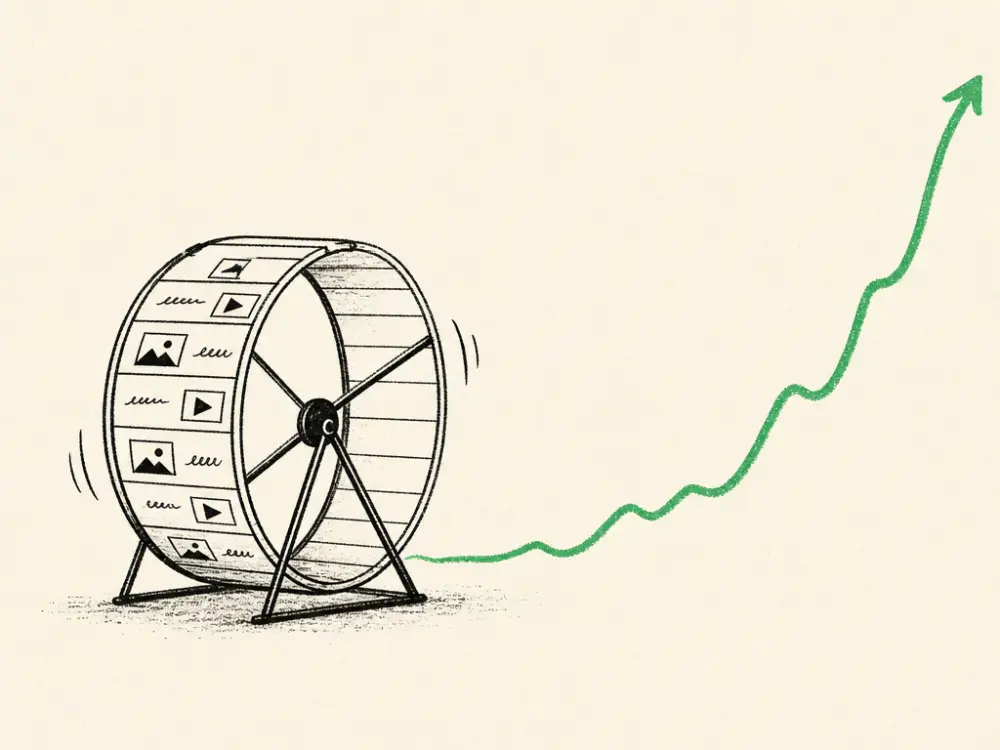
One honest caveat: Google Ads isn't the same as boosting Instagram posts. Run after the foundation is in place, paid search can amplify demand you can't yet rank for — but it's a supplement, never the engine.
Why aesthetic marketing is different
A clinic is not a coffee shop, and aesthetics is not retail. The marketing that works for a restaurant actively backfires here, for reasons most generalist agencies never learn:
- It's regulated. The ASA polices aesthetic claims, and advertising prescription-only treatments like Botox to the public is unlawful. Marketing that ignores this is a liability, not an asset.
- Trust is the bottleneck, not awareness. Patients are handing you their face. JCCP, Save Face, real reviews and genuine credentials move bookings more than any clever campaign.
- The journey is long and local. A patient Googles five or six times across days before booking — almost always with a town attached. If you're not visible across that journey, you're invisible at the moment of decision.
The R6 framework
Two interlocking systems — S.E.L.F (foundation) + R6 (flywheel) — I developed across thirteen years operating my own clinic group. Read the full framework →
Who I help
UK aesthetic clinic owners under £100k a year, typically with inconsistent bookings and a burning ad budget. Multi-site operators welcome. Medspas, laser, cosmetic clinics included. If you've been sold a bit of everything by a generalist agency and seen none of it compound, this is the opposite approach.