A One-Page Marketing Plan for UK Aesthetic Clinics
 By Surinder Ahitan · 8 min read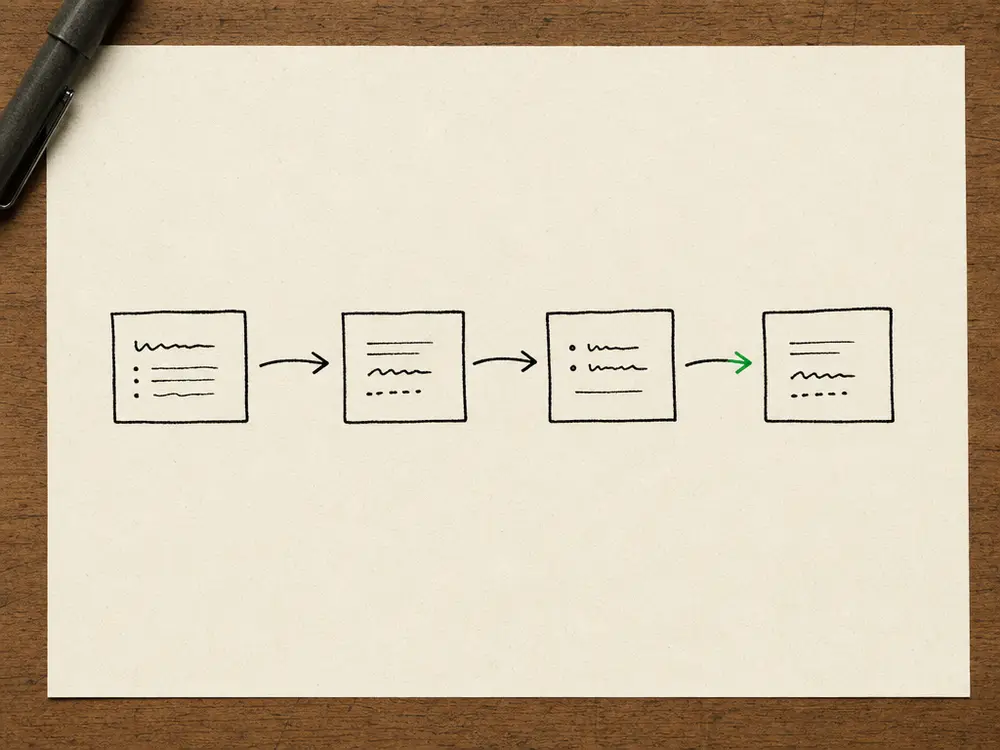
Most aesthetic clinic marketing plans are 30 pages, written by an agency, full of phrases like “omnichannel brand resonance” and a media schedule that costs more than the clinic earns.
You don’t need 30 pages. You need one.
Below is the template I used across nine UK aesthetic clinics. It fits on a single sheet of A4. Every clinic owner I’ve shown it to has been able to fill it in within an afternoon. Once it’s filled in, you stop second-guessing every marketing decision because the answer is already on the page.
Why 30-page marketing plans don’t work for clinics
Three problems with the long version.
Problem one: nobody reads it twice. You spent a day writing it (or a quarter paying an agency to write it), filed it, and never opened it again. A document you don’t reference is a document that doesn’t exist.
Problem two: most of it is theatre. SWOT analysis, competitor matrix, brand pyramid — none of this changes what you do tomorrow morning. A small clinic doesn’t compete by writing better strategy documents; it competes by doing the obvious things consistently.
Problem three: the agency selling you the plan benefits from complexity. Bigger plan = bigger fee = more dependencies on the agency. A one-page plan you can run yourself doesn’t pay an agency a retainer. That’s why you’ll never be sold one.
The one-page plan
Five questions. Answer each in two or three sentences. No more. If you can’t answer in two sentences, you don’t know the answer yet — go find it before moving on.
1. Who do you serve?
Not “women aged 30 to 60 who care about how they look.” That describes most of the planet.
Specifically: what’s the smallest, sharpest patient profile you can describe in one sentence? Picture one real patient you treated last month.
Example for a typical Midlands clinic:
“Working women aged 35–55 living within 15 miles of [town], earning £35k–£75k, who’ve tried Botox once or twice elsewhere and want a more natural look without judgement. Most book treatments around payday.”
If you can’t describe yours that specifically, every marketing decision after this will be vague. Spend an afternoon on this question if you need to. The rest of the plan depends on it.
2. What do you actually sell?
Not your full menu — your bread and butter. Which three treatments make up most of your revenue?
For most UK clinics it’s some combination of:
- Anti-wrinkle injections (Botox)
- Dermal fillers (lip, cheek, jawline)
- Skin treatments (skinboosters, profhilo, polynucleotides)
- Laser hair removal
- Skin clinic-style facials and peels
Pick the three with the best margins, highest repeat rates, and lowest hassle to deliver. Those three are your marketing focus. Everything else stays on the menu but doesn’t get marketing budget.
Example:
“Bread and butter: Botox (£180–£280, ~50% margin, ~60% repeat within 4 months), Profhilo (£300/session, ~55% margin, 2-session protocol), and lip filler (£200–£300, ~50% margin). Everything else is bonus.”
3. Where do they find you?
For 90% of UK aesthetic clinics, the answer is Google and word of mouth. Stop pretending Instagram is doing the work it isn’t.
Be specific about the channels you’ll invest in this year:
“Primary: Google local search (GBP optimisation, treatment pages on the site, local SEO). Secondary: existing patient referrals (one new patient credit per successful referral). Tertiary: Instagram for credibility only — three posts a week, no paid promotion.”
Notice what’s missing: TikTok, paid Facebook, paid Instagram, influencer partnerships. None of those convert reliably for clinics under £200k revenue. Don’t put what you’re not going to do on the plan.
4. How do they convert?
This is your funnel in one sentence:
“From Google search → treatment page → free audit/consultation form (4 fields) → 20-minute call with practitioner → first treatment booked → onboarding email sequence.”
Sit at every step and ask: where do people drop off? Most clinics lose 60% of their enquiries between “form submitted” and “first treatment”. Tighten that step.
Specific things to commit to in this section:
- How fast do you respond to a new enquiry? (Goal: within 1 hour during opening hours.)
- Who responds? (Named person — not “the team”.)
- What do you offer first — a phone call, a WhatsApp message, or a booked consultation slot?
- How many follow-ups do you do if they go quiet? (3 is plenty.)
5. How do they stay?
Acquisition is expensive. Retention is the multiplier.
“Six weeks after treatment, automated SMS asking how they’re feeling. Twelve weeks, a reminder that anti-wrinkle results last 3–4 months and an easy booking link. Every birthday, a £20 credit on next treatment. Twice a year, an email about a new treatment or seasonal protocol. No spam.”
Most clinics under-invest here because the work isn’t visible. But a patient who books four treatments a year for five years is worth ~£4,000+ to your clinic. A new patient is worth one treatment until you earn the next four. Retention is where the lifetime value lives.
A worked one-page example
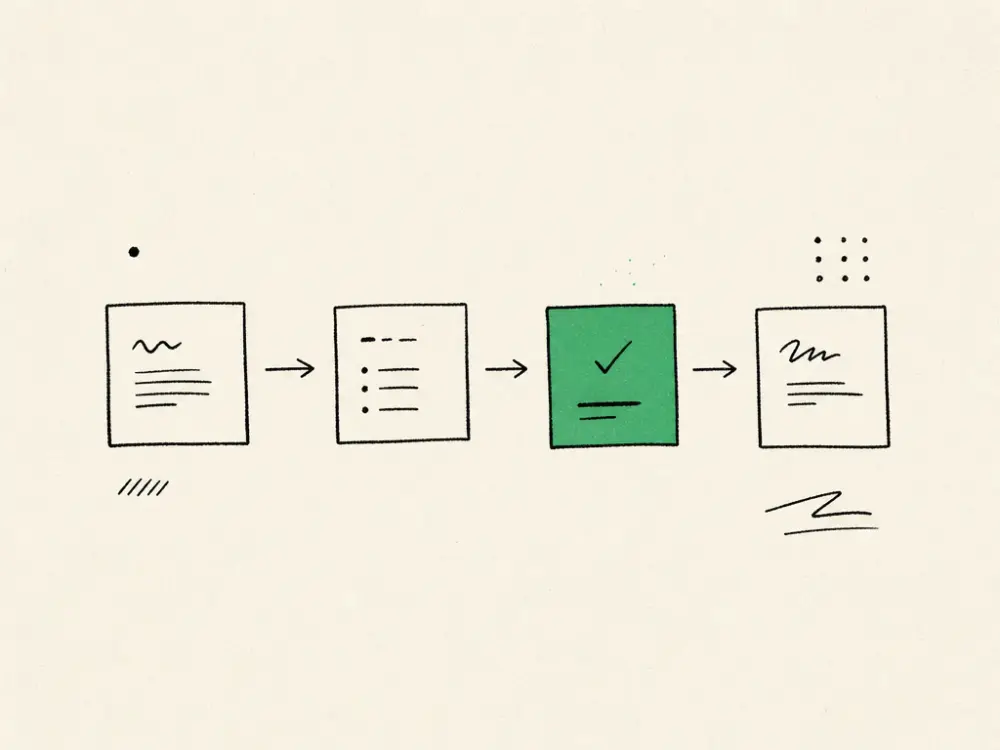
Here’s the whole template filled in for a real-feeling clinic. Use it as a template; replace with your own answers.
Who I serve: Working women aged 35–55, within 15 miles of [town], £35k–£75k income. Tried Botox once or twice elsewhere, want subtle results, value a real conversation over a hard sell.
What I sell: Botox (£180–£280, anchor), Profhilo (£300/session, two sessions), lip filler (£200–£300, subtle). Everything else stays on the menu but doesn’t get focus.
Where they find me: Google local search (GBP + on-site SEO + treatment pages by town). Patient referrals. Instagram for credibility only.
How they convert: Google search → treatment page → 4-field audit form → 20-min call with me → first treatment booked. Response time goal: 1 hour. Up to 3 follow-ups if they go quiet.
How they stay: SMS at 6 weeks, reminder at 12 weeks, £20 birthday credit, two seasonal emails per year. Annual patient-only event for top 50 clients.
That’s it. Five paragraphs. Whole plan.
What’s not in this plan (and why)
- No SWOT analysis. SWOT doesn’t tell you what to do tomorrow.
- No brand pyramid. Your brand is what you do, not how you describe yourself.
- No 12-month media calendar. The calendar should be quarterly, not annual.
- No specific budget split. Budget follows the plan: most of it goes to SEO and the website (the two things that compound), a small share to retention tools, none to channels you’re not committed to.
- No vanity metrics. Followers, impressions, “engagement” — none of these correlate with bookings. Track bookings, repeat rate, and revenue per patient.
Quarterly review cadence
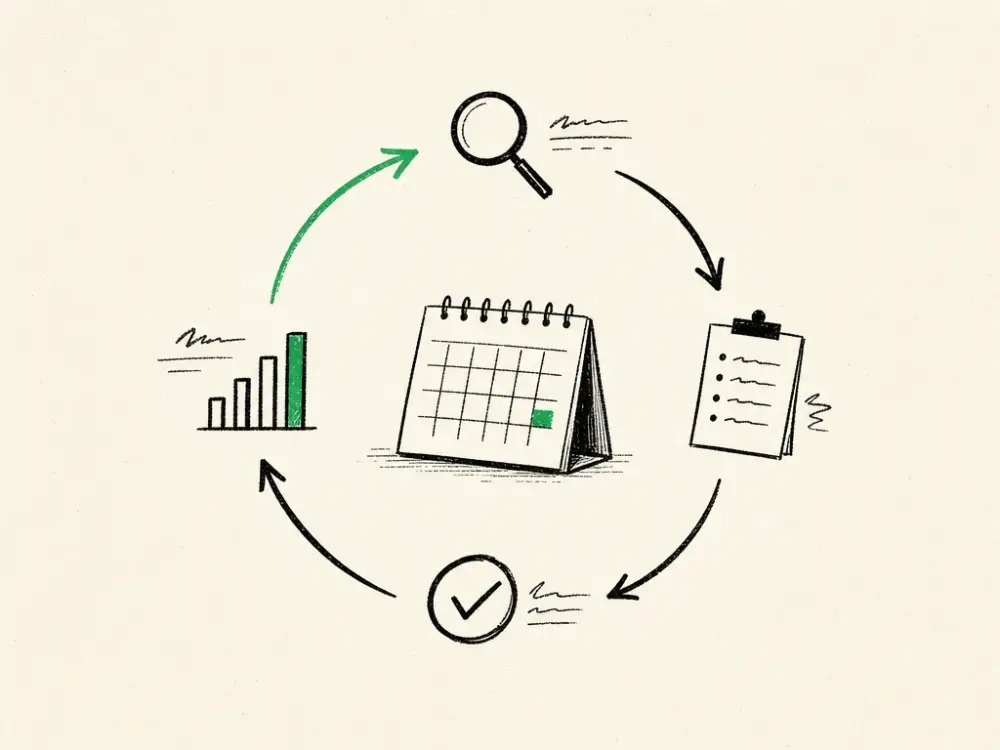
Once a quarter, sit with this one page and ask three questions:
- Did the plan match reality? Where did the actual mix of bookings differ from where I expected them to come from?
- What’s working better than expected? Double down on it.
- What’s not working? Cut it.
Quarterly is the right interval. Monthly is too noisy. Annual is too slow.
A small note on agencies
If you’re paying a marketing agency a monthly retainer and they can’t summarise your business in five sentences using the template above, you’re paying for theatre. The good agencies live inside this kind of clarity. The bad ones generate complexity to justify their fees.
I’m biased here, obviously — I run a service that does SEO and website work for clinics. But the bias runs both ways. If a clinic’s marketing plan is just “do SEO and build a better website”, they don’t need a long contract with me. They need an audit, a few fixes, and four years of patience. Some clinics work that out, do it themselves, and never need me. That’s fine. The plan still holds.
If you’d like a free outside read of where your clinic’s plan is leaking — usually it’s stage 3 (where they find you) or stage 4 (how they convert) — the free instant audit scores your site in 15 seconds, with a full personal report by email five minutes later. The three or four things that would move the needle most, in plain English. No sales call required.