Aesthetic Marketing Agency vs In-House: What Grows a Clinic
 By Surinder Ahitan · 9 min read
Every clinic owner I talk to eventually asks me the same question, usually with a slightly defeated look on their face. “Should I just hire an agency, or try to do this myself?”
It comes up because they’ve been burned, or they’re frightened of being burned. They’ve either paid an aesthetic marketing agency a few thousand pounds a month and seen nothing for it, or they’ve watched a clinic down the road do exactly that and want to avoid the same fate. Either way, the question underneath is the real one: where should the marketing actually live?
I’ve sat on both sides of this. When I was growing my own clinic group, I ran the marketing in-house because I had to — there wasn’t a budget for anything else. Later I built the agency side. So I’m not here to sell you on one answer. I’m here to tell you how to make the choice properly, because the honest answer is “it depends”, and the things it depends on are knowable.
The question most owners get wrong
The wrong version of this question is “agency or in-house?” — as if it’s one big switch you flip once.
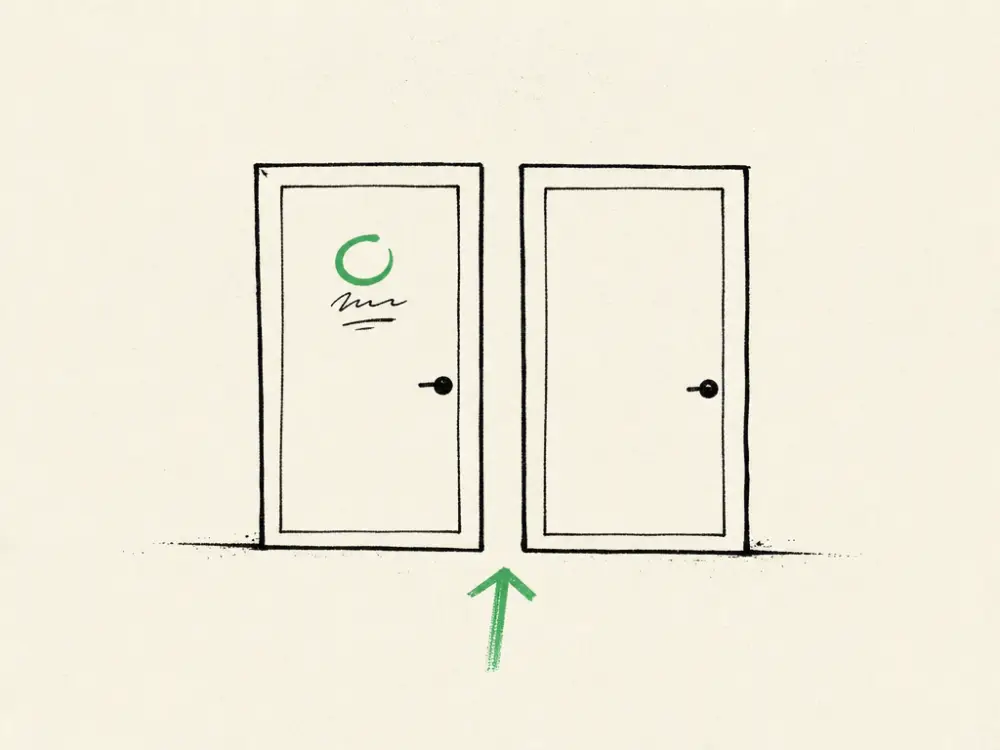
The right version is “which jobs go to an agency, which jobs stay in-house, and which jobs shouldn’t be done at all yet?” Marketing isn’t one task. It’s a dozen tasks with wildly different skill requirements. Writing a Google Business Profile post is a five-minute job your receptionist can do better than any agency, because she knows the patients. Diagnosing why your site dropped off page one is a specialist job most clinic owners genuinely can’t do.
When you treat marketing as one lump and hand the whole lump to an agency, you pay agency rates for the five-minute jobs and you lose the local knowledge that made them good. When you keep the whole lump in-house, you end up doing the specialist work badly at midnight because no one else can.
So split it first. Then decide.
What actually belongs in-house
Some things are better done by the clinic, full stop, and no agency will ever do them as well:
- Asking for reviews. The single highest-return marketing activity in aesthetics, and it happens at the front desk, in the moment, by someone the patient just met. No agency can do this for you. They can set up the system; they can’t be in the room.
- Photos and short videos. Your treatment rooms, your team, your actual results (within the advertising rules). Authentic beats polished here, and authentic only comes from inside the clinic.
- Replying to enquiries quickly. Speed-to-lead is a marketing function whether you call it that or not. A patient who messages on Instagram and hears back in four minutes books. One who hears back in four hours has already booked elsewhere. That’s an in-house reflex, not an agency deliverable.
If you take nothing else from this: the parts of marketing that depend on being the clinic should never leave the clinic.
What an agency is genuinely worth paying for
Then there’s the specialist work — the stuff that needs skills you’d spend years building and still do part-time:
- Technical SEO and site structure. Diagnosing crawl issues, schema, site speed, the architecture that decides whether you rank. This is real expertise, and it’s invisible until it isn’t.
- Search strategy. Knowing which keywords are winnable for a clinic your size in your town, and which are a waste of money. I’ve watched owners spend a year chasing a term they were never going to rank for.
- Website builds. A clinic site that loads fast, captures enquiries, and is built to be found is a different animal from a pretty template. This is a job for someone who’s built dozens.
- Paid ads, if you run them. Done properly, with conversion tracking and the right landing pages. Done badly, it’s the fastest way to set money on fire I know.
The pattern is simple. Pay an agency for the work that needs deep, narrow skill you’d never build internally. Keep the work that needs proximity to the patient.
The five questions that decide it
When an owner asks me whether to hire a particular agency, I tell them to stop looking at the portfolio and ask these five things instead:
- Who owns the accounts? Your Google Business Profile, your ads account, your domain, your analytics — these must be registered to you, with you as the owner, not the agency. If an agency “manages” them under their own login, the day you leave, you leave with nothing. I’ve seen clinics lose a decade of reviews this way. This is the single most important question and most owners never ask it.
- Can you explain what you’ll do, and how I’ll know it worked? A good agency will tell you the metric before they start — enquiries, booked consultations, calls — not “impressions” or “engagement”. If they can’t trace a booking back to the work, they’re selling you hope. Attribution is the whole game.
- Have you worked with aesthetic clinics specifically? The advertising rules around before-and-after photos and prescription-only treatments are a minefield. An agency that’s never worked in aesthetics will get you a warning letter, or worse, while cheerfully reporting great engagement.
- What’s the contract length, and what happens when I leave? Be wary of twelve-month lock-ins with no performance break clause. Good work earns the next month. If they need to trap you in a contract, ask why.
- Who’s actually doing the work? You meet the charming founder in the pitch. Then your account gets handed to a junior you never met. Ask who sits on your account, and how long they’ve been doing it.
If an agency answers those five cleanly, they’re probably worth talking to. If they get cagey on the first one, walk.

The honest cost comparison
In-house feels cheaper because the cost is hidden inside your own time. It isn’t cheaper — it’s just invisible. If you’re spending six hours a week fighting with your own SEO instead of seeing patients, and a consultation is worth a few hundred pounds, you’re paying a fortune in lost clinical time to save a smaller agency fee. That’s the trade most owners never put a number on.
A good agency feels expensive because the cost is visible and monthly. But it buys back your evenings and, done right, returns more in bookings than it costs. The maths only works if the agency is genuinely good — a bad one is the worst of both worlds, costing you the fee and the lost time chasing them.
The middle path most growing clinics land on, and the one I’d point you toward: keep the patient-facing marketing in-house, hand the specialist technical and search work to people who do it all day, and insist on owning everything yourself. That’s not “agency or in-house”. That’s using each for what it’s good at — and it maps straight onto R1, Reach, in the framework: get found by the right people, with the right work done by the right hands.
What to do this week
You don’t need to make the whole decision at once. Start here:
- List every marketing task your clinic touches — reviews, photos, GBP, website, SEO, ads, email. Twenty minutes with a pen.
- Mark each one in-house, specialist, or not-yet. Be honest about which ones genuinely need clinic proximity and which need skill you don’t have.
- For anything you’re already outsourcing, check who owns the accounts tonight. If it’s not you, fix that before you do anything else.
- Only then go looking — and take the five questions above with you.
The clinics that grow aren’t the ones that picked agency or in-house correctly. They’re the ones that stopped treating it as one decision and started matching each job to whoever does it best — while keeping the keys in their own pocket.
Surinder Ahitan grew the CoLaz aesthetic clinic group from one clinic to nine UK locations in six years, mainly using SEO and well-built websites. If you want an outside read on which parts of your marketing are working and which are quietly costing you bookings, the free audit takes 15 seconds and lands in your inbox shortly after.