Aesthetic Clinic Email Marketing: How to Reactivate Lapsed Patients
 By Surinder Ahitan · 8 min read
Most aesthetic clinic owners I speak to are focused on one thing: new patients. Every pound goes into Facebook ads, Instagram promotions, or boosted posts aimed at people who have never heard of the clinic before.
Meanwhile, there is a list sitting inside most booking systems that never gets touched. Past patients — people who came in, paid for a treatment, went away satisfied, and then never came back. Three months ago. Six months. A year. The list grows quietly while the marketing budget goes elsewhere.
I have looked at this pattern across enough UK clinics to say it plainly: the revenue sitting in a lapsed patient database is almost always larger than what any new-patient campaign brings in over the same period. The problem is that chasing new patients feels like marketing. Sending a message to someone who has already visited feels like something you will get to later.
Why your lapsed patient list is your most valuable asset
A patient who has already visited your clinic has made the hardest decision in the whole process. They trusted you enough to walk in, have a consultation, and sit down in your treatment room. That trust took time to build — from your website, your Google Business Profile, your reviews, probably a word from someone they know.
When you try to win back a lapsed patient, you are not rebuilding trust from zero. You are reminding someone of an experience they already had. That is a fundamentally different conversation from the one you have with a stranger who clicked an ad.
The return on that conversation, done properly, is consistently higher than paid acquisition. And the cost is near-zero. You are not buying a click. You are sending a message to someone who already knows your name and has already parted with money for your work.
If they have gone quiet, the most likely reason is not a bad experience. It is that life got busy, they meant to rebook and never did, or a competitor’s message reached them before yours. That last point is worth sitting with. If you are not reaching out to your own patients, someone else is.
The reactivation system that actually works
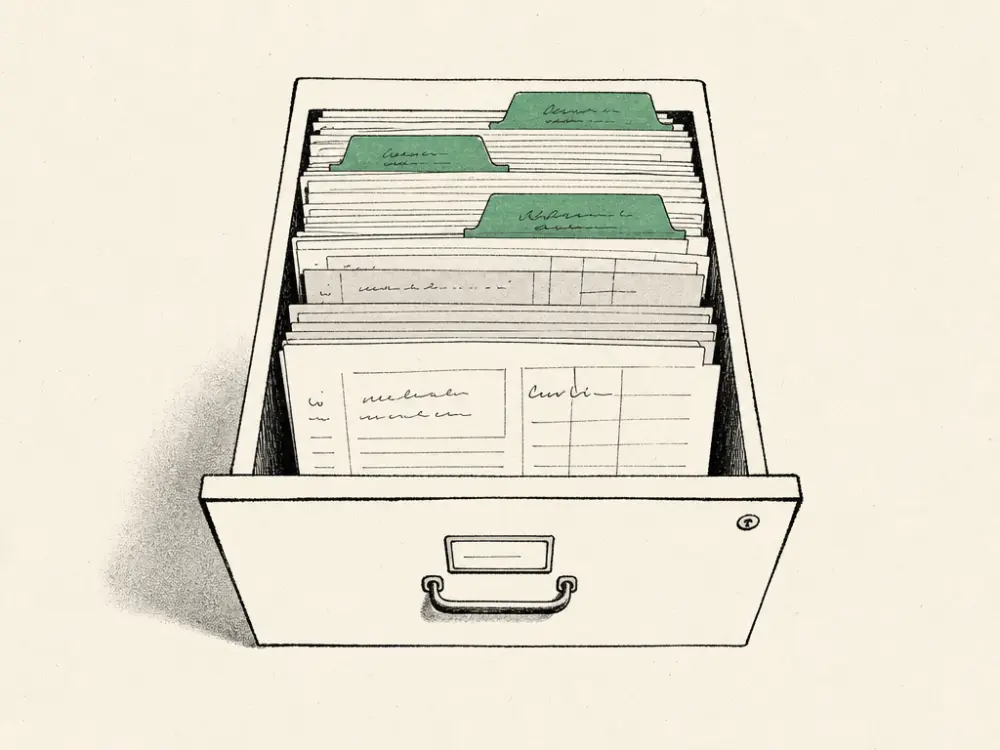
There is nothing complicated about this. The system is: define who is lapsed, understand what you are working with, send the right message at the right time, and track what comes back.
1. Define your lapsed window
The right threshold depends on your treatment mix. Botox patients naturally rebook every three to four months — anyone over ninety days without a return appointment is lapsed. Skin care and facial patients may have a longer natural cycle; use a hundred and twenty days. Patients who had a consultation, paid for one session, and never started a course are a different problem entirely — they may not have been properly followed up at all.
Start with ninety days as your baseline. Most clinic booking systems — Phorest, Fresha, Timely, Jane — let you pull a patient list filtered by last appointment date in under ten minutes.
2. Audit the list before you write anything
Before drafting a single word, understand what you are working with:
- How many patients are in the lapsed window?
- What treatment did they last have?
- What was the average spend per visit?
- How many have given you an email address?
Take the number of lapsed patients and multiply by your average treatment value. That number is the potential revenue sitting in your own database — before you have spent a penny on advertising. I have seen clinic owners do this calculation for the first time and genuinely pause. Two hundred lapsed patients at an average of £190 per visit is £38,000 of potential revenue. It tends to shift priorities quickly.
3. The message that works — and what to avoid
The first instinct is to send a discount. “We miss you — here is 20% off your next treatment.” That is not entirely wrong, but it trains patients to wait for a promotion before coming back. It also chips away at the perceived value of the work you do.
A more effective message is personal and low-friction:
“Hi [first name], it has been a while since we saw you at the clinic. I wanted to check in and hope you have been well. If there is a treatment you have been thinking about or something you would like to revisit, we would love to see you. Reply to this email or book directly here: [link].”
That is it. No countdown timers. No “limited spaces remaining”. No promotional language. It reads like a message from a person, not a platform.
If your booking system supports it, reference their last treatment: “It has been a while since your last lip filler appointment…” Specificity makes it feel human rather than automated, even if it is automated.
4. The three-touch sequence
One email is rarely enough. A three-touch sequence spread over three weeks recovers most of the reachable patients without becoming intrusive:
- Day 1: Personal check-in email. No offer. A genuine, short message.
- Day 8: A follow-up. Mention something new you have added to the treatment menu, or reference a seasonal concern that aligns with their history. Still no hard sell.
- Day 15: A final nudge — SMS or a short email. This is the appropriate point to include a time-limited offer if you want one. “We are keeping a slot for you this month. Here is 15% off if you book by [date].”
After the third touch, stop. Patients who do not respond to three contacts over three weeks are either not ready or not reachable this way. Continuing beyond that converts a disengaged patient into an unsubscriber.
5. Timing — when to run the campaign
Reactivation performs better when patients are already thinking about treatment. Four windows in the UK aesthetic calendar tend to outperform the rest:
- January: Post-Christmas reset, new year motivation
- April: Pre-spring, events season beginning
- September: Back from summer, autumn social calendar taking shape
- November: Pre-Christmas, party season bookings
Running a reactivation sequence into one of these windows — rather than on a random Tuesday in July — lifts open and booking rates noticeably. Patients are already in the headspace; your message arrives at the right time rather than out of nowhere.
What to track
The R5 stage of the R6 framework is called Reactivate because it is a specific action with a specific, measurable outcome. Three numbers to record:
- Open rate on the first email. Above 25% means the subject line and sender name are working. Below that, test a more personal subject — “Checking in, [first name]” tends to outperform “We miss you at [Clinic Name]”.
- Reply or booking rate across the sequence. Three to five bookings per hundred contacts sent is a realistic baseline. Higher is achievable in a warm, well-maintained list.
- Revenue recovered. Total treatment value booked by patients who came back through the sequence. This is the number that justifies running reactivation every quarter, not once a year.
This is the L pillar in the S.E.L.F framework — Leverage Smart Marketing. The definition is simple: if you cannot trace a booking back to the action that prompted it, you are not marketing, you are hoping. Apply the same discipline to reactivation that you would apply to any paid campaign. Measure it, and it becomes repeatable.
What to do this week
- Pull your lapsed patient list. Patients who visited at least once, last appointment ninety-plus days ago. Count them. Multiply by your average treatment value. Write that number down.
- Check your email coverage. If fewer than 60% of lapsed patients have an email address on file, make capturing email at first intake a non-negotiable part of your front desk process from today.
- Write a check-in email. One paragraph. First name personalisation. A genuine reason to come back. No discounts, no timers. Send it to the first thirty patients on the list.
- Come back in seven days and count bookings. If three of those thirty rebook, you have a sequence worth automating and running quarterly. If none do, the issue is usually the subject line or an outdated email list — both fixable.
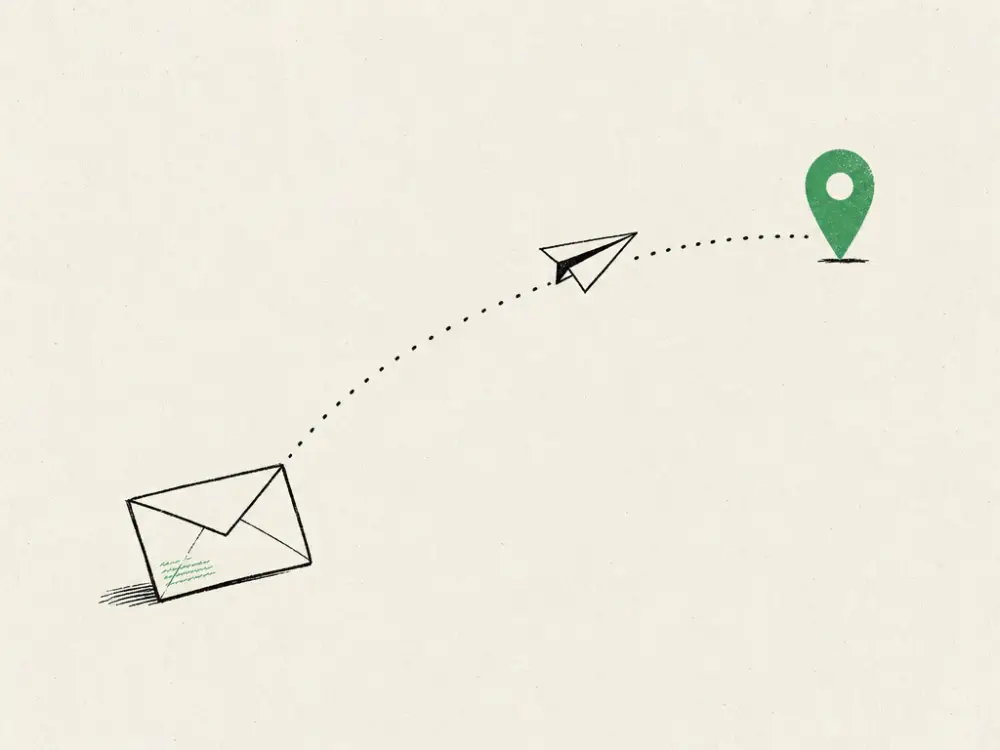
That is the whole system. No ad budget, no agency brief, no creative sprint. Just a message to someone who already knows you, sent at a time when they are likely thinking about it.
Surinder Ahitan grew the CoLaz aesthetic clinic group from one to nine UK locations in six years, mainly through Google rankings and systems built to convert the traffic those rankings brought in. If you would like a free audit of your clinic’s website and digital setup — including a look at how you are currently handling patient reactivation — the free audit takes 15 seconds to submit.