
Online Booking for Aesthetic Clinics: The 9pm Problem

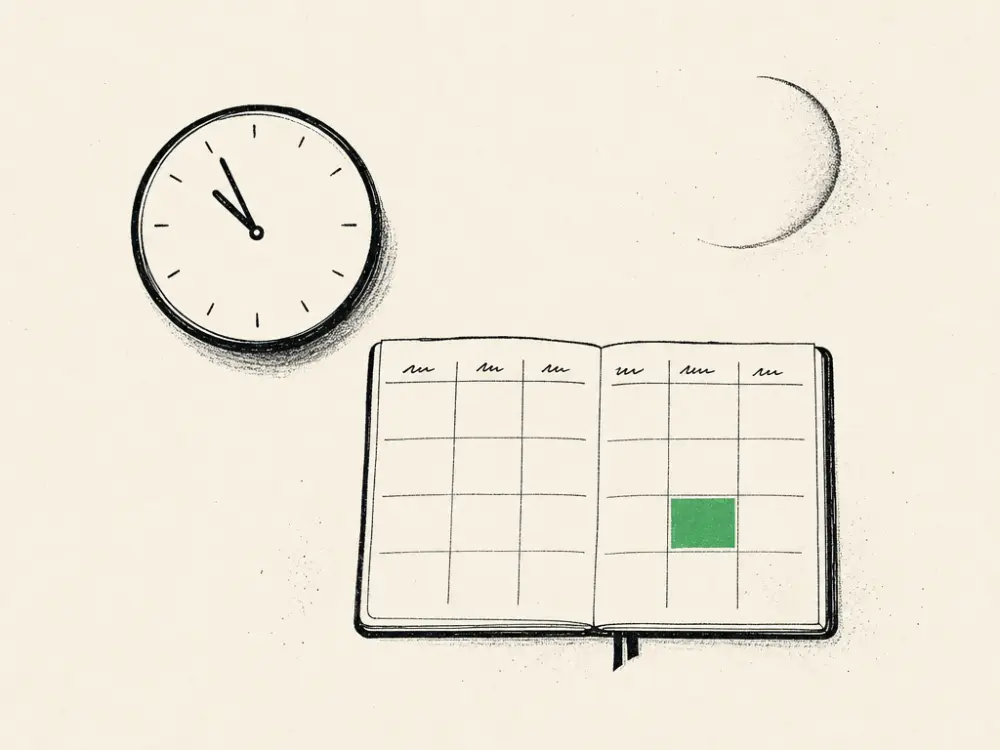
I’ve looked at enough clinic enquiry logs now to know when patients actually get in touch. It isn’t during your working day. The heaviest spike is between eight and ten in the evening — sofa, phone in hand, children in bed, one more scroll before sleep.
That’s the whole problem in one sentence. The moment somebody decides they want lip filler is almost never a moment you’re at the desk to take the call. If your website’s answer to that moment is a contact form and a promise to get back to them, you are asking a person at 9pm to wait until half nine tomorrow. Some will. Plenty won’t. They’ll open the next clinic in the list, find a real diary with real slots, and book.
Online booking isn’t a convenience feature you add when you get round to it. It’s the difference between catching a decision and watching it walk down the road.
Why this costs more than you think
Take a clinic getting forty website enquiries a month. That’s a fairly ordinary single-site number. If two thirds of those arrive outside opening hours — which matches what I keep seeing — that’s twenty-six people whose enthusiasm has to survive overnight.
Response time is the most predictable thing about whether an enquiry converts. Answer inside five minutes and you’re having a conversation. Answer the next morning and you’re chasing. Answer in two days and you’re usually writing to somebody who has already booked elsewhere and is too polite to say so.
Online booking removes the wait entirely for the people who are ready. It doesn’t replace your phone, your enquiry form, or your consultation process. It just stops you losing the ones who had their card out at nine in the evening.
That’s the S in S.E.L.F — Secure Every Enquiry. An enquiry you never received, because the person couldn’t act at the moment they wanted to, is still a lost enquiry. It just never shows up in your figures, which is exactly why it goes unfixed for years.
1. Let them book the consultation, not the treatment
The most common objection I hear is a fair one. You can’t have strangers booking themselves in for tear trough filler without you ever having assessed them. Quite right — and no serious clinic should.
So don’t offer the treatment online. Offer the consultation.
A consultation is low risk, low cost, and something you can safely let anybody book. It’s also the appointment that matters most, because that’s where the treatment plan gets decided. Put a fifteen or twenty minute consultation slot online, keep the treatment bookings under your control, and you’ve answered the clinical objection without giving up the 9pm booking.
For returning patients you can go further. Somebody who has already been assessed and treated can safely rebook their maintenance appointment online. That’s a different rule set for a different group, and most booking tools let you do it with a simple login or a returning-patient link.
2. Two fields, not twelve
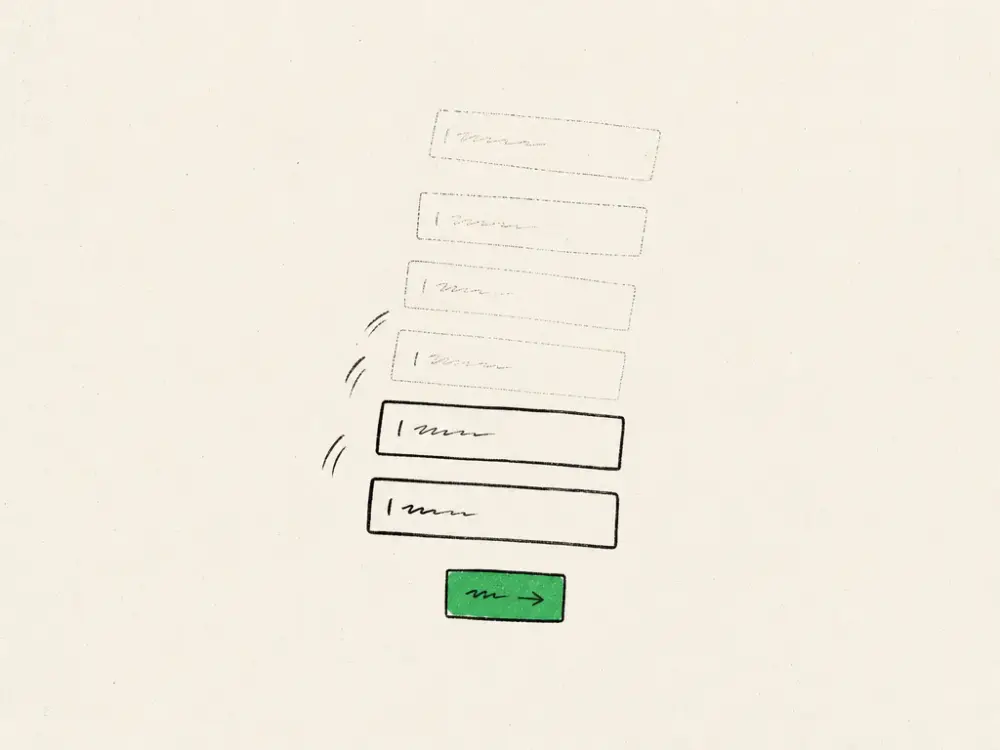
I’ve filled in aesthetic clinic booking forms that asked for date of birth, full address, GP details, medical history, how I heard about the clinic, and a free-text box about my goals — all before showing me a single available slot.
Every field is a place to give up. On a phone, at night, with one thumb, most people give up around field five.
Take the booking with the absolute minimum: name, mobile number, email, chosen slot. That’s it. Medical history, consent forms, and everything else your clinical process needs can go out automatically the moment the booking lands, as a pre-appointment form they complete at their own pace. The information still reaches you before they walk in. You’ve just stopped collecting it at the exact moment you were most likely to lose them.
3. Show real availability, not “request an appointment”
There’s a version of online booking that isn’t online booking. You click “Book Now”, fill in a form, and get a message saying somebody will be in touch to confirm your slot.
That is a contact form wearing a costume. The patient is still waiting on you, they just don’t know it yet — which is worse, because they think they’re booked and they aren’t.
Show a live diary. Real dates, real times, immediate confirmation. If you’re nervous about your calendar filling with slots you’d rather protect, release only a limited number of consultation slots per day into the online diary and keep the rest for phone bookings. Two consultation slots a day, bookable at any hour, will do more for you than a full diary that only opens when somebody is at the desk.
4. Deposits — the argument you’ll have with yourself
Every clinic owner worries that online booking means no-shows. It’s a reasonable worry and there’s a straightforward answer: take a small deposit at the point of booking, redeemable against the treatment.
Twenty to twenty-five pounds is enough. It isn’t a revenue line, it’s a commitment signal. The people who won’t pay twenty pounds to hold a slot were rarely going to turn up.
The trade-off is real and I’d rather be honest about it. A deposit will reduce the number of bookings you take and increase the proportion that show. For most clinics that’s the right trade, because a diary full of no-shows costs more than the bookings you filtered out. If you’re brand new and building volume, run without a deposit for a couple of months, measure your no-show rate, and add one when it starts to hurt.
5. The confirmation is part of the booking
The booking isn’t finished when they tap confirm. What happens next decides whether they turn up.
The sequence that works is unglamorous and mostly automatic:
- Immediate confirmation — email and text, within seconds, with the date, time, address, and what to expect.
- Pre-appointment form — the medical history and consent you didn’t ask for up front, sent the same day.
- Reminder at 48 hours — with a one-tap way to reschedule rather than cancel.
- Reminder on the morning — short, with directions and parking.
The reschedule link matters more than people expect. A patient whose plans have changed will quietly no-show rather than ring up and admit it. Give them a frictionless way to move the appointment and a chunk of your no-shows become next Tuesday’s bookings instead.
6. Put the button where the decision happens
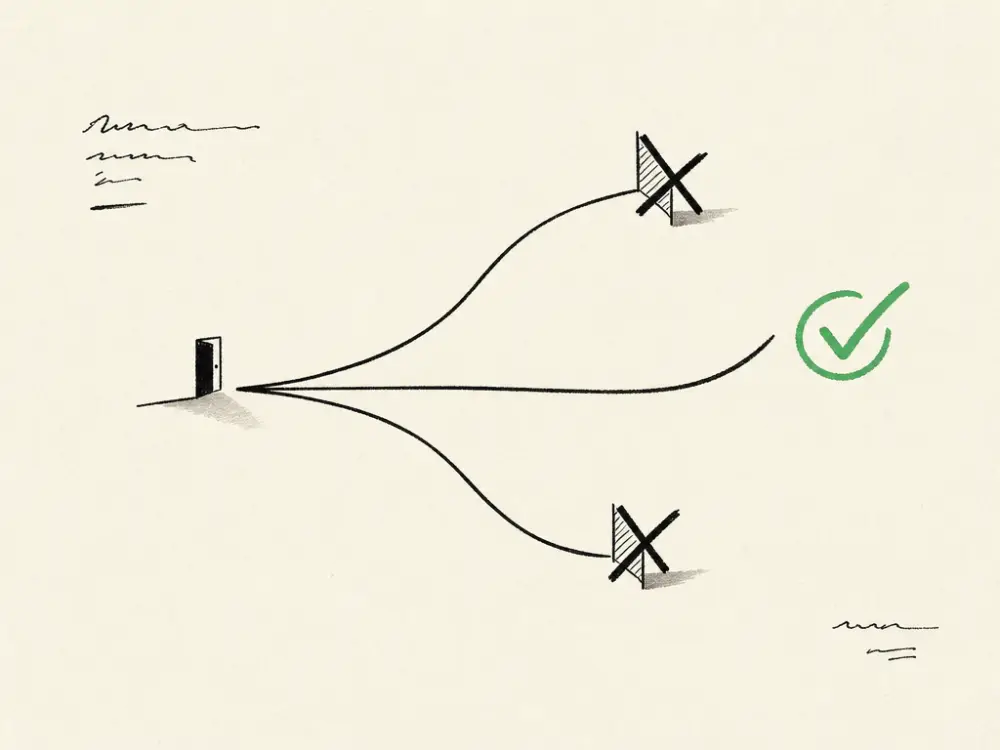
Most clinic sites bury booking under “Contact” in the navigation. By then you’ve asked somebody to make two decisions: to want the treatment, and to go hunting for how to arrange it.
The book button belongs on every treatment page, near the top and again at the bottom, plus a fixed button on mobile that follows the page as they scroll. Not a floating chat bubble — an actual booking button.
And test it on a real phone, on mobile data, not on your desktop in the clinic. I’ve lost count of the clinic sites where the booking widget renders neatly on a laptop and is unusable on an iPhone. That’s the device your 9pm patient is holding.
What to do this week
In priority order:
- Check what happens after hours. Open your own site on your phone tonight and try to book. Time it. If you can’t get a confirmed appointment in under ninety seconds, you’ve found your problem.
- Cut your booking form to four fields. Move everything else into an automated pre-appointment form. This on its own recovers more bookings than any redesign.
- Release two consultation slots a day into a live online diary. Keep the rest of your capacity under manual control until you trust it.
- Set up the confirmation and reminder sequence, including a reschedule link. Once it’s built, it runs on its own.
None of this needs a website rebuild. Most clinic booking tools connect to an existing site in an afternoon. The gain is that the twenty-six people a month who found you at nine in the evening can now do something about it, instead of adding you to a mental list they never come back to.
Surinder Ahitan grew the CoLaz aesthetic clinic group from one clinic to nine UK locations in six years, mainly through search.
If you’d like this handled for you, I build and run websites for UK aesthetic clinics for £297 a month, with no build fee and no minimum term. Book a 30-minute call and I’ll tell you honestly whether it fits.