Medical Aesthetics Marketing: Sell the Trust, Not the Discount


Most medical aesthetic clinics I look at are marketed like beauty salons. A nurse prescriber or a GP with years of training, a proper consultation process and a clean complication record, and the website leads with “20% off lip filler this month”.
That’s the wrong fight. A clinic led by a doctor, nurse or dentist has something a high-street beauty bar can’t copy: clinical trust. When the marketing hides it behind a discount banner, the clinic ends up competing on price with people who charge half as much and carry none of the cost of doing it properly.
Medical aesthetics marketing works differently. The patient isn’t buying a treatment. They’re choosing who they’ll let near their face with a needle. Your job is to make that choice easy, and then make sure nothing gets in the way when they reach out.
Why this matters for your diary
The patients who choose a medical clinic on purpose are the ones you want. They book consultations, follow treatment plans, come back every three to four months and send their friends. They are less likely to haggle, and more likely to stay for years.
But they’re cautious. They read the website twice, check the reviews, look up the clinician, and often ring before they book. If any step feels uncertain, they don’t argue with you. They quietly book with the clinic down the road that answered the phone. That’s where most medical clinics lose money: not on the first impression, but in the gap between “I’m interested” and “I’m booked”.
What medical aesthetics marketing should actually do
1. Put the prescriber on the front page
Your clinician is the product. Show them. A real photo, their full name, their professional registration (NMC, GMC or GDC), how long they’ve been treating, and a sentence or two in their own words about how they work.
I’d put this on the homepage, every treatment page and the booking page. A cautious patient wants to know who they’ll see before they hand over a deposit. “Our expert team” tells them nothing. “You’ll be seen by Sarah, an independent nurse prescriber who has been treating patients since 2014” tells them everything.
2. Lead with the consultation, not the product
UK rules stop you advertising prescription-only medicines such as botulinum toxin to the public. Plenty of clinics work around this badly, with winks and nicknames that still get them in trouble. I’ve covered the detail in the UK aesthetic advertising rules post.
The good news is that the compliant approach is also the one that sells best. Market the consultation. Talk about the concern the patient has, such as lines, volume loss or skin quality, and what happens when they come in: an assessment, a plan, honest advice about whether treatment is right for them, and a cooling-off period. That reads as medical care, because it is.
3. Answer the questions a careful patient asks
Medical patients research. Your treatment pages should answer, in plain words:
- Who will treat me, and what are their qualifications?
- What happens at the consultation, and does it cost anything?
- What are the risks, and what happens if something goes wrong?
- How long does it last, and what does a typical plan cost over a year?
- Is there aftercare, and can I reach someone after hours?
The complications answer is the one most clinics skip, and it’s the one that builds the most trust. A clinic that explains its aftercare and emergency process clearly looks like it knows what it’s doing. A clinic that avoids the subject looks like it hopes nobody asks.
4. Answer the phone like a medical practice
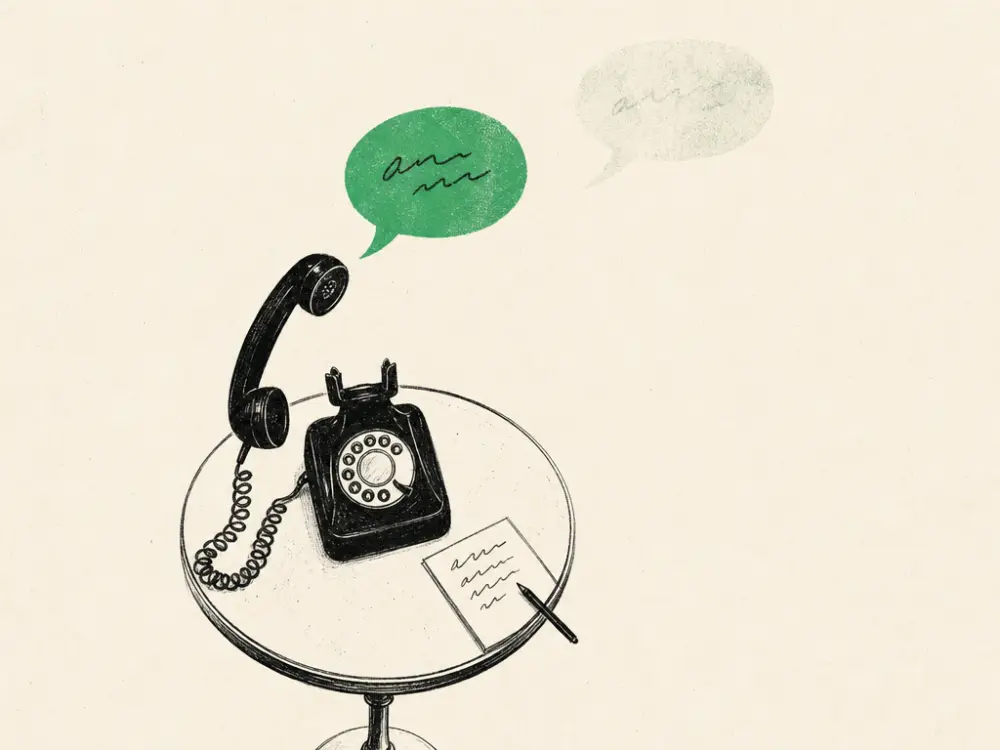
Here’s where clinical trust gets thrown away. A patient spends twenty minutes reading your site, decides you’re the safe choice, and rings. It rings out because the clinician is mid-treatment. They don’t try again later. They try the next clinic on Google.
At CoLaz, across nine sites, the clinics that grew fastest weren’t always the ones with the best practitioners. They were the ones where somebody picked up, or got back to the patient within minutes. A medical clinic can’t always answer live, because the person who would answer is often the person holding the cannula. So the system has to cover for them:
- A text goes back automatically to every missed call within a minute, so the patient knows they’ve been heard.
- Website and social enquiries land in one inbox, not scattered across three apps and a personal phone.
- Every enquiry that doesn’t book gets a polite follow-up the next day and again later that week.
None of this needs a bigger team. It needs the gaps closed.
5. Collect reviews that name the clinician
Generic five-star reviews help. Reviews that say “Dr Patel took the time to explain everything and told me I didn’t need as much as I thought” help far more. They show a careful patient exactly what they’re hoping to find.
Ask every patient, every time, with a short text after their appointment. Make the link one tap. When patients mention the clinician by name, reply by name too. Over a year, that builds a review profile that reads like a referral from a friend, which is the most persuasive thing a cautious patient can see.
6. Make aftercare part of the marketing
Your follow-up messages are marketing, even if you don’t think of them that way. A two-week review reminder, a check-in after a first treatment, a note when it’s about time for a top-up. Each one tells the patient they’re being looked after by a medical practice, not sold to by a shop.
Those are also the messages that bring patients back. Most medical clinics have more revenue sitting in last year’s patient list than in any new campaign, and the follow-up is what unlocks it.
The mistakes I see most often
Discount-led headlines. They attract price shoppers and undermine the one advantage you have. If you run offers, make them about consultations or loyalty, not cheap syringes.
Hidden clinicians. Stock photos, no names, no registration numbers. The patient can’t tell you apart from an unqualified injector, so they assume you might be one.
Slow replies. A medical clinic that takes a day to answer an Instagram message has lost that patient by lunchtime.
No follow-up after the consultation. The patient goes home to think about it, and nobody ever asks what they decided.

What to do this week
Pick these off in order. Each one takes an hour or less.
- Add your clinician to the homepage. Photo, name, registration and two honest sentences. Then add the same block to your three busiest treatment pages.
- Ring your own clinic during a busy afternoon. If nobody answers and nothing comes back to you within five minutes, that’s your biggest leak.
- Write your aftercare and complications answer and put it on every treatment page.
- Send a review request to every patient you saw this week, by text, with a single link.
Do those four, and your marketing starts to match the standard of the care you already give. That’s usually when the price shoppers drop away and the patients you actually want start booking.
Surinder Ahitan grew CoLaz from one aesthetic clinic to nine across the UK between 2016 and 2022, and still runs its website today.
If you’d like the website, the missed-call text-back and the follow-up handled for you, I build and run websites for UK aesthetic clinics for £297 a month, with no build fee and no minimum term. Book a 30-minute call and I’ll tell you straight whether it would help your clinic.