How to Get More Aesthetic Patients When You Start From Zero
 By Surinder Ahitan · 8 min read
The hardest diary I ever had to fill was the first one. Not the ninth clinic, not the fourth. The first.
A brand-new aesthetic clinic has nothing that marketing normally runs on. No reviews. No rankings. No patient list to text. No before-and-afters you’re allowed to show, because you haven’t treated anyone yet. Every piece of advice written for established clinics quietly assumes you already have an audience, and you don’t.
I’ve been in that room, watching an empty appointment book on a Tuesday and wondering whether the lease was a mistake. What follows is the order I’d do it in now, having done it badly the first time and properly several times since.
Why the order matters more than the tactics
Most owners starting from zero do all the right things in the wrong sequence. They spend on ads before anyone can answer the phone. They build a beautiful website before they know which treatment they want to be known for. They ask for reviews six months in, when the first forty patients have already come and gone.
Every one of those is a real cost. An enquiry that arrives before you’re ready to catch it doesn’t wait around — it goes to the clinic two streets over that picked up. A patient treated in month one who was never asked for a review is a permanent gap in your trust profile. You only get to be new once, and the assets you build in the first ninety days are the ones compounding two years later.
So the sequence below runs cheapest and most durable first.
1. Make sure an enquiry can’t get lost
Before you spend a penny attracting anyone, work out what happens when a stranger tries to book with you at 8pm on a Sunday.
Most new clinics have four routes in — a website form, Instagram DMs, a phone number, and WhatsApp — and no single place where all four land. Enquiries sit unread in an app nobody checks. Two days later the person has booked elsewhere and you never even knew they existed.
Pick one inbox. One place every enquiry lands, whichever channel it arrived through. Then write down the response you send, so you’re not composing it fresh at midnight: a short reply that answers their question, gives two specific appointment times, and asks nothing else of them.
Speed decides this more than wording. Reply within fifteen minutes and you’ll convert roughly double what you’d convert at two hours. That is the single cheapest improvement available to a clinic with an empty diary, and it costs nothing but a decision. In S.E.L.F terms it’s the S — secure every enquiry — and it has to be in place before anything upstream of it is worth doing.

2. Get to ten reviews before you get to a hundred patients
Ten Google reviews is the threshold where a clinic stops looking risky. Below that, you’re a gamble. Above it, you’re a business.
You will not get there passively. Nobody wakes up wanting to review their filler appointment. You get there by asking every single patient, the same way, every time — a one-line text a couple of hours after they leave, with the direct link. Not a paragraph. Not a QR code on the counter. A text with a link.
If you’re brand new and treating four people a week, that’s ten reviews inside a month. Do it while you have the time to be attentive, because you will not have that time at capacity. And ask early: someone who was treated last Tuesday writes a warmer review than someone you chase in November about a treatment in March.
One caution — never offer anything in exchange. Discounts for reviews breach Google’s policy and the ASA takes a dim view too. The ask is enough.
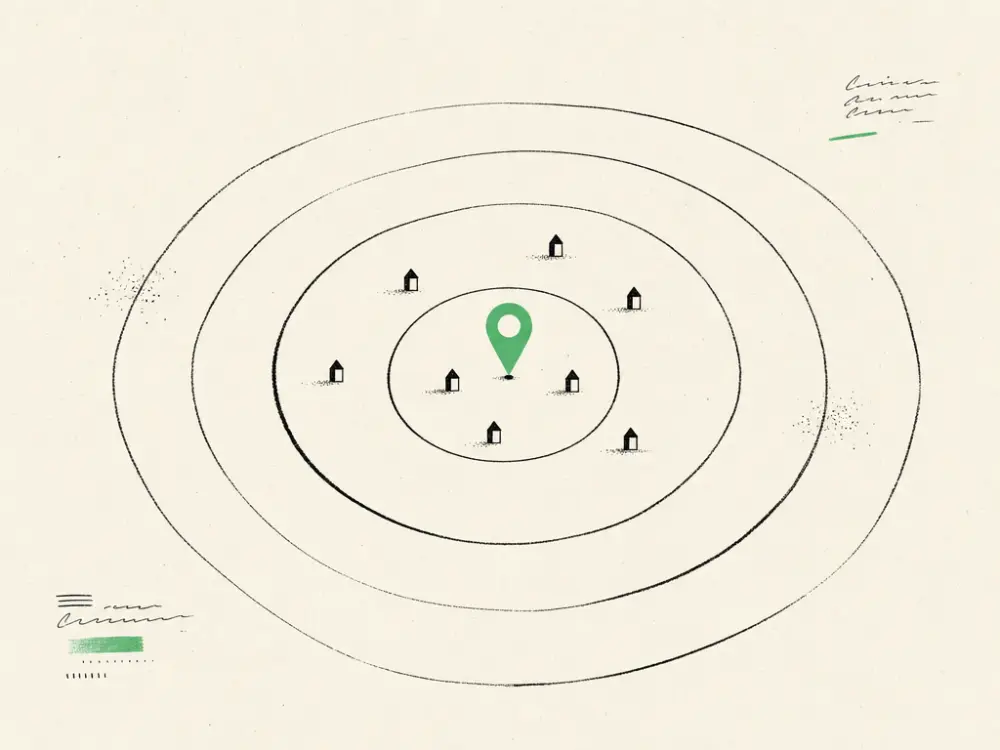
3. Pick one treatment and one town, and own that search
New clinics list twenty treatments on day one because they’re frightened of turning work away. That’s understandable and it’s also why nobody can find them.
Choose the one treatment you most want the diary full of — the one with decent margin that you’re genuinely good at — and build a proper page for it, aimed at people searching for that treatment in your town. Not a paragraph on a services list. A real page: what it involves, who it suits, who it doesn’t, what it costs, how long it lasts, what recovery looks like, and how to book.
“Lip filler in Solihull” is a search a new clinic can win in a few months. “Aesthetic clinic” is not. The narrow search brings fewer people and books far more of them, because the person typing it has already decided what they want.
Then leave it alone and let it age. New pages don’t rank instantly. A treatment page published in September is doing its job by Christmas, which is exactly why it needs writing in September rather than in December when the diary looks thin.
4. Use the fifty people who already trust you
Your first patients almost never come from Google. They come from people who already know you — former colleagues, the patients who followed you from wherever you worked before, your hairdresser, the two friends who’ve asked you about their frown lines for years.
Tell them plainly that you’ve opened, what you do, and that you have appointments. Not a broadcast post. Individual messages. Fifty of those beats any launch campaign a new clinic can afford, and it produces the first cohort of treated patients — which is what produces the reviews in point two, which is what makes the strangers in point three convert when they land.
The awkwardness is temporary and the compounding is not.
5. Book the next appointment before they leave
A new clinic’s fastest growth is not new patients. It’s the same patients coming back.
Toxin lasts three to four months. Filler lasts six to twelve. Skin plans run in courses. If someone walks out with nothing in the diary, they will drift, and you’ll spend money later trying to win back somebody you already had.
So make rebooking part of the appointment, not an afterthought at reception. “Most people come back around the twelve-week mark — shall I put you in for the fourteenth?” Half will say yes on the spot. That half is the difference between a clinic that grows and a clinic that keeps starting over each month.
What I’d skip in the first ninety days
Paid ads, until points one and two are done. Ads into a clinic with no reviews and a slow enquiry reply are a way of paying to be rejected.
A logo refresh. A large treatment menu. Any agency retainer sold on “brand awareness”. None of these fill a Tuesday.
What to do this week
- Pick one inbox for every enquiry route you have, and write the standard first reply. An hour’s work, and it protects everything else.
- Text every patient you’ve treated so far with a review link. Today, not after the next batch.
- Choose your one treatment and start the page for it. Treatment plus town in the title, and write it like you’d explain it in consultation.
- Message twenty people you know individually to say you’re open and taking bookings.
None of that requires a budget, and all of it is still working for you in year three. Getting found (R1 in the R6 flywheel) matters, but for a clinic starting from zero the trust you build in the first ninety days is what makes being found worth anything at all.
Surinder Ahitan grew the CoLaz aesthetic clinic group from one clinic to nine UK locations in six years, mainly through search and well-built websites. If you’d like a straight assessment of what’s stopping your clinic getting found and booked, the free audit takes 15 seconds and lands in your inbox shortly after.