Facebook and Instagram Ads for Aesthetic Clinics: What Actually Works

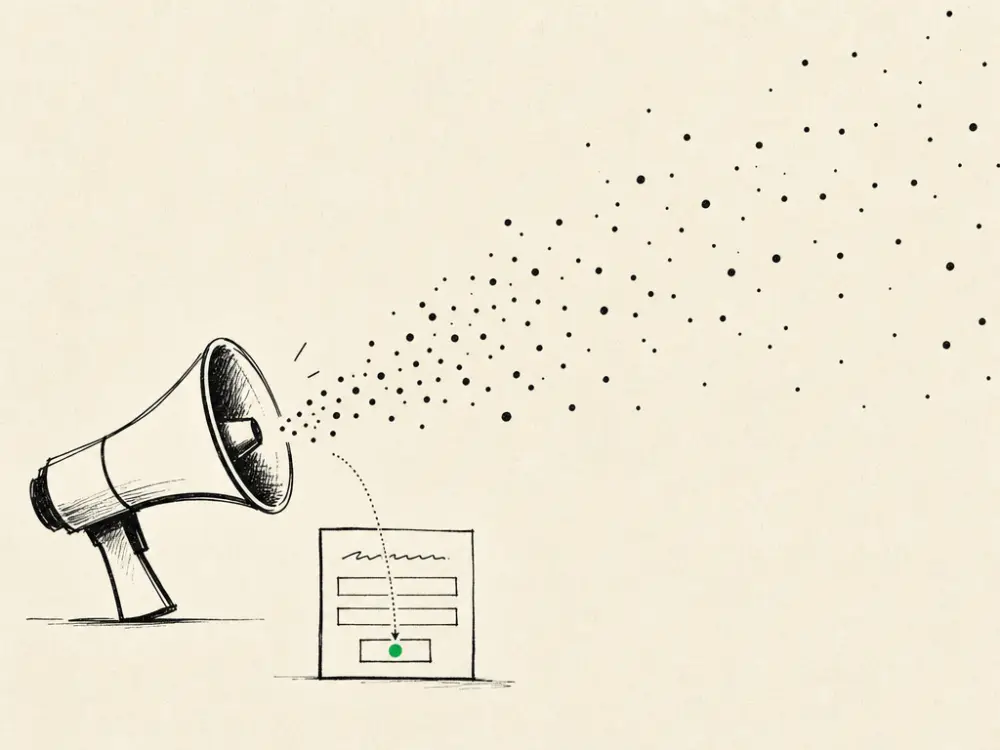
I’ve run Facebook and Instagram ads for aesthetic clinics on and off for the best part of a decade. Some campaigns paid for themselves inside a fortnight. Others burned four figures and produced a folder of screenshots nobody could turn into a booking. The clinics that got it right and the ones that didn’t weren’t spending different amounts. They were doing different things with the same amount.
Most of what I read about paid social for clinics is written by people selling ad management. It tells you to “boost engagement” and “build brand awareness” — vague enough to never be wrong and specific enough to never be useful. I want to tell you what actually happened across nine clinics: what the platform is good for, what it isn’t, and where I’d put the next pound if I were starting again today.
Why this matters more than the spend
A clinic that gets paid social wrong doesn’t just lose the ad budget. It loses the goodwill of an owner who now believes “social media doesn’t work for us” — and quietly stops doing the organic work too, the reviews, the photos, the posting, because the one time they tried to invest properly it felt like it didn’t pay off. One bad campaign can cost you eighteen months of marketing confidence, which is a much bigger loss than the few hundred pounds it burned.
Get it right, and paid social does something organic can’t: it puts your clinic in front of someone who has never heard of you, at the exact moment they’re deciding whether to book a consultation somewhere. That’s Reach — R1 in the framework — bought rather than earned, and it should be judged the same way as Google Ads or anything else: can you trace a booking back to it. If you can’t, you’re not doing marketing. You’re doing hope with a card attached.
Facebook and Instagram work differently to Google Ads. Search ads catch someone who has already decided they want a treatment and is looking for who to book with — demand you capture. Paid social interrupts someone who wasn’t looking at all — demand you create. Both can work. They’re not interchangeable, and a lot of wasted budget comes from judging one by the other’s standards.
What I’d tell a clinic starting from scratch
1. Don’t run ads until your landing page can catch what they bring
The single biggest waste of ad spend I’ve watched is a clinic sending traffic to its homepage. Someone clicks an ad for lip filler, lands on a generic homepage with six treatments and a “welcome to our clinic” paragraph, and leaves within four seconds. The ad worked. The page didn’t.
Before you spend a penny on ads, make sure the treatment you’re advertising has its own page — one treatment, one page, a clear price range or “from £X”, a booking form above the fold, and nothing else competing for the click. If that page doesn’t exist yet, build it first. The ad account can wait a week. It’s the cheapest fix on this list and it’s the one clinics skip most often because it feels like a website job, not a marketing job.
2. Retargeting beats cold targeting, every time
Cold ads — shown to people who’ve never heard of your clinic — are expensive and unreliable. You’re paying to interrupt someone mid-scroll with an offer they didn’t ask for. Conversion rates are low and the cost per booking is usually painful.
Retargeting ads — shown to people who’ve already visited your website or engaged with your Instagram — convert at multiples of that rate, because you’re not introducing yourself, you’re following up. Across the clinics I worked with, retargeting consistently produced bookings at a third to a fifth of the cost of cold campaigns. If your budget is tight, that’s where it goes first: install the pixel, build a warm audience from your last ninety days of website visitors, and retarget them with the specific treatment they looked at.
3. Before-and-afters work, but the rules are not optional
Before-and-after photos are the single best-performing ad creative for aesthetic treatments, full stop. They’re also the fastest way to get an ad account restricted if you get the compliance wrong. Meta’s advertising policies on health-related claims are stricter than the ASA’s, and they enforce with an algorithm that doesn’t read context — it pattern-matches.
The practical version: get written consent, don’t imply a guaranteed result, don’t use language like “get rid of” or “eliminate” for anything a regulator would call a medical claim, and expect some images to get rejected for reasons that feel arbitrary. Keep a bank of compliant creative ready rather than scrambling to produce one image per campaign. Clinics that treat compliance as a one-off box-tick get their accounts flagged. Clinics that treat it as a standing process don’t.
4. Video outperforms static images, but it doesn’t need to be polished
A fifteen-second clip of a treatment room, a consultation walkthrough, or a client explaining why they came back — filmed on a phone — regularly outperformed the professionally shot static adverts I tested against it. Paid social rewards content that looks native to the platform. An overly polished ad reads as an ad and gets scrolled past. A slightly rough video reads as content and gets watched.
You don’t need a videographer on retainer. You need someone at the clinic who’ll film thirty seconds a week and isn’t precious about lighting.
5. Set the budget by what a booked consultation is worth to you, not by what feels affordable
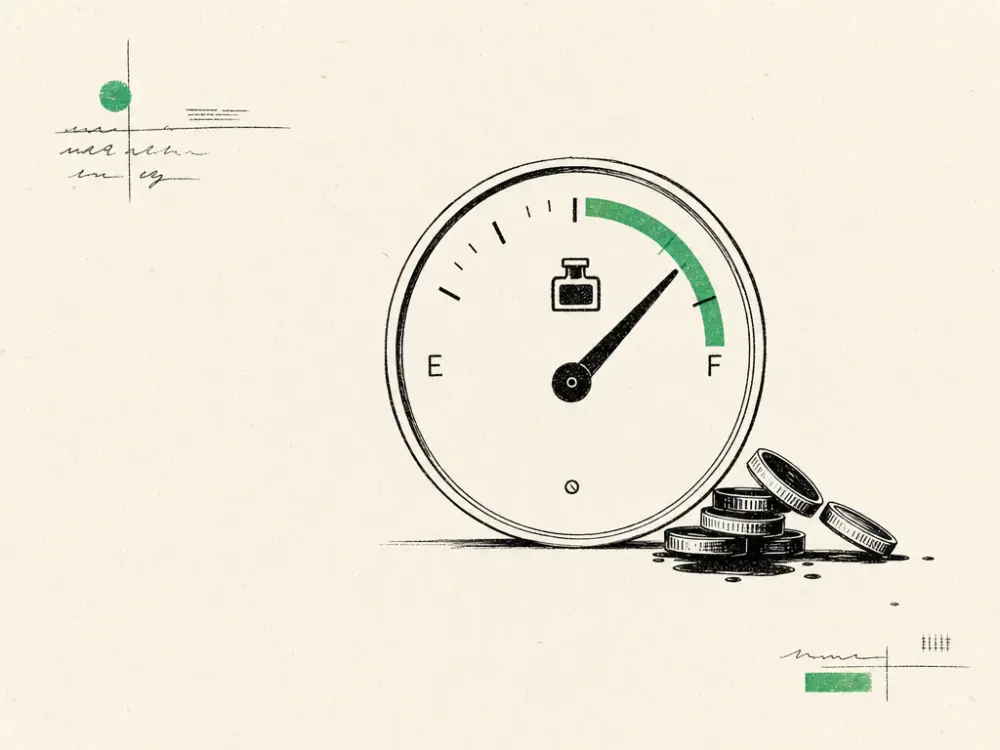
Most clinics pick an ad budget the way they’d pick a monthly subscription — a number that feels comfortable, not a number tied to outcome. Work backwards instead. If a booked consultation is worth £150 to you on average, and your cost per booked consultation from paid social sits around £25 to £40 once the funnel is working, then the maths tells you what to spend, not your gut.
This also tells you when to stop. If a campaign’s cost per booking climbs past what a consultation is worth to you, pause it and rework the creative or the landing page — don’t just keep feeding it and hoping the numbers improve on their own.
6. Know what you’re actually testing before you spend real money
Every clinic I’ve worked with that got frustrated with Facebook ads made the same structural mistake: changing three things at once — the creative, the audience, and the offer — and then having no idea which change moved the number. Test one variable at a time. Same audience, two ad creatives. Same creative, two audiences. It’s slower and it’s the only way the data means anything.
What to do this week
If you’re currently running ads that aren’t producing bookings, or thinking about starting:
- Check whether the treatment you’d advertise has its own landing page. If it doesn’t, that’s the fix before the ad account.
- Install or verify your Meta pixel is firing, and build a retargeting audience from the last ninety days of website visitors before you spend a pound on cold traffic.
- Audit your before-and-after bank for consent and compliant wording. Assume Meta will reject something and have a backup ready.
- Work out what a booked consultation is actually worth to you, and use that number to set your daily budget — not the other way round.
Paid social isn’t magic and it isn’t a scam. It’s a Reach channel like any other, and it only works when you can trace what it produces back to a booking. Get the landing page and the tracking right first. Everything else is optimisation.
Surinder Ahitan grew the CoLaz aesthetic clinic group from one clinic to nine UK locations in six years, using SEO, well-built websites, and paid social when the numbers earned it.
Want this taken off your plate? I build and run websites for UK aesthetic clinics for £297 a month, with no build fee and no minimum term. Book a 30-minute call and I’ll give you a straight answer on whether it suits your clinic.