Aesthetic Consultations That Convert Into Treatment Plans

Most clinic owners I speak to can tell me how many enquiries they got last month. Very few can tell me how many of their consultations turned into a booked treatment. Fewer still know how many of those patients came back for the second and third session their skin actually needed.
That gap is where a lot of money quietly disappears. You’ve paid to get the patient found. You’ve paid for the ad, the SEO, the reviews. They’ve booked, turned up, and sat in your chair for thirty minutes. Then they say “I’ll have a think” and walk out — and you never hear from them again.
In my own clinics, the consultation was the single most expensive moment in the whole patient journey. Everything before it cost money. Everything after it made money. How we handled those thirty minutes decided which way the month went.
Why this matters more than another marketing channel
If you convert 40% of consultations and a competitor converts 65%, they can spend less on marketing than you and still fill more diary. Same town, same prices, same treatments. The difference is what happens in the room and in the 48 hours after.
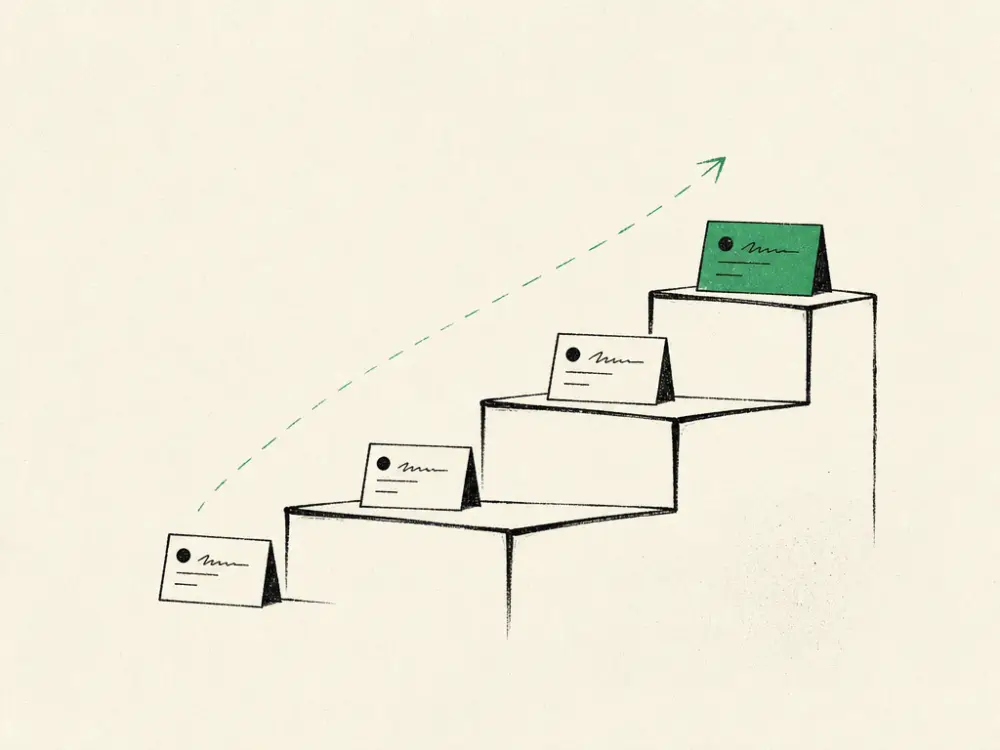
And the first treatment isn’t the prize. A patient who books a single session of skin boosters is worth a few hundred pounds. A patient who leaves with a three-session plan, a maintenance appointment and a reason to come back is worth several times that — and costs you nothing extra to acquire. That’s Resell, R3 in the flywheel: turning one treatment into a plan. It’s also the S in S.E.L.F — Secure Every Enquiry — because a consultation that ends in “I’ll have a think” is an enquiry you haven’t secured yet.
Six fixes that move consultation conversion
1. Know your number before you change anything
Pull the last three months. Count consultations held. Count how many booked a paid treatment within 14 days. Divide one by the other.
Most clinics I audit have never done this, and the number is usually a shock. Split it by practitioner and by treatment if you can. You’ll often find one person converting at twice the rate of another, or one treatment where almost nobody books. That tells you where to look first.
Put the number somewhere you’ll see it every week. You can’t improve what nobody is counting.
2. Qualify before the patient walks in
A lot of lost consultations were never going to convert. Wrong treatment, wrong budget, wrong expectations. The fix starts on your website and your booking form, not in the room.
Show price ranges on your treatment pages. Ask two or three short questions when someone books a consultation: what are they hoping to change, have they had treatment before, what’s their rough timeline. Send a short email the day before with what to expect, how long it takes, and whether the consultation fee comes off the treatment.
Patients who arrive informed arrive ready. Patients who arrive curious often leave curious.
3. Run the consultation as a plan, not a pitch
The consultations that convert best in my experience follow the same shape. Listen first — properly, for longer than feels comfortable. Assess honestly. Then explain what you’d recommend, in what order, over what timeframe, and why.
That last part matters. “You’d benefit from anti-wrinkle injections” is a pitch. “I’d start with anti-wrinkle today, review in two weeks, then look at skin quality over the next three months with two sessions of skin boosters” is a plan. Patients trust a plan because it sounds like a clinician thinking about their face, not a salesperson thinking about their card.
Say no when no is the right answer. Turning away an unsuitable treatment earns more trust than any testimonial on your website.
4. Put the plan on paper and in their inbox
Verbal plans evaporate. By the time the patient is back in the car park, half of what you said is gone, and by the time they tell their partner about it, the other half has gone too.
Give them a simple written summary before they leave: what you discussed, the recommended treatments, the order, the total cost, and the next step. Then email the same thing within an hour. It doesn’t need to be designed. It needs to be clear, personal and easy to forward to someone at home who’ll ask “how much?”
This one change lifted conversion in my clinics more than anything else we tried. It turns a conversation into something the patient can hold.
5. Offer to book today — and make it easy to say yes
Many patients want to book there and then. They just aren’t asked, or the diary is on a screen they can’t see, or reception is busy on the phone.
At the end of every consultation, ask plainly: “Would you like to go ahead today, or shall I pencil in a time for next week?” Have availability ready. If there’s a consultation fee, redeem it against a treatment booked within 14 days. If you offer finance or a treatment course price, mention it here, not in a follow-up email three days later.
None of this is pressure. Pressure is inventing urgency that isn’t real. Offering a clear next step is simply good service — and it keeps you on the right side of the ASA and your prescriber’s conscience.
6. Follow up like the enquiry still matters
For the patients who don’t book on the day, the next 48 hours decide most of the outcome. After a week, most have moved on or booked with the clinic down the road that did follow up.
A simple sequence works:
- Same day: the written plan email from point 4.
- Day two: a short personal message from the practitioner — “Lovely to meet you yesterday. Any questions about what we discussed?”
- Day seven: a helpful note with a relevant before-and-after (with consent) or a short explanation of what to expect after treatment.
- Day 21: one final, polite check-in, then they move to your normal newsletter list.
Make sure this runs whether or not the practitioner remembers. If it depends on someone having a quiet afternoon, it won’t happen in your busiest month — which is exactly when you can least afford to lose people.
What this looks like when it’s working
When consultation conversion is working, you notice it in the diary before you notice it in the numbers. More second appointments. Fewer one-off visits. Patients who arrive already knowing what’s next because it was agreed three months ago.
It also makes your marketing cheaper. Every improvement here means each pound spent on Google Ads, SEO or social brings back more revenue. Clinics often try to fix a flat month by buying more enquiries. Usually the cheaper fix is converting the ones they already have.
What to do this week
In priority order:
- Calculate your consultation-to-treatment rate for the last three months, split by practitioner if you can. Write it down.
- Write a one-page plan template your practitioners fill in during every consultation — treatments, order, timing, total cost, next step.
- Set up the same-day plan email and the day-two follow-up. Automate them if your booking system allows. If not, put them on a daily checklist for reception.
- Add price ranges and a short “what happens at your consultation” section to your top three treatment pages.
Check the number again in 60 days. If it has moved by ten points, that’s likely more new revenue than any campaign you could launch this quarter.
Surinder Ahitan grew a UK aesthetic clinic group from one to nine locations in six years, mainly through Google rankings and well-built websites.
If you’d like this handled for you, I build and run websites for UK aesthetic clinics for £297 a month, with no build fee and no minimum term. Book a 30-minute call and I’ll tell you honestly whether it fits.