
Aesthetic Clinic Web Design: When to Rebuild, When to Leave It
 By Surinder Ahitan · 9 min read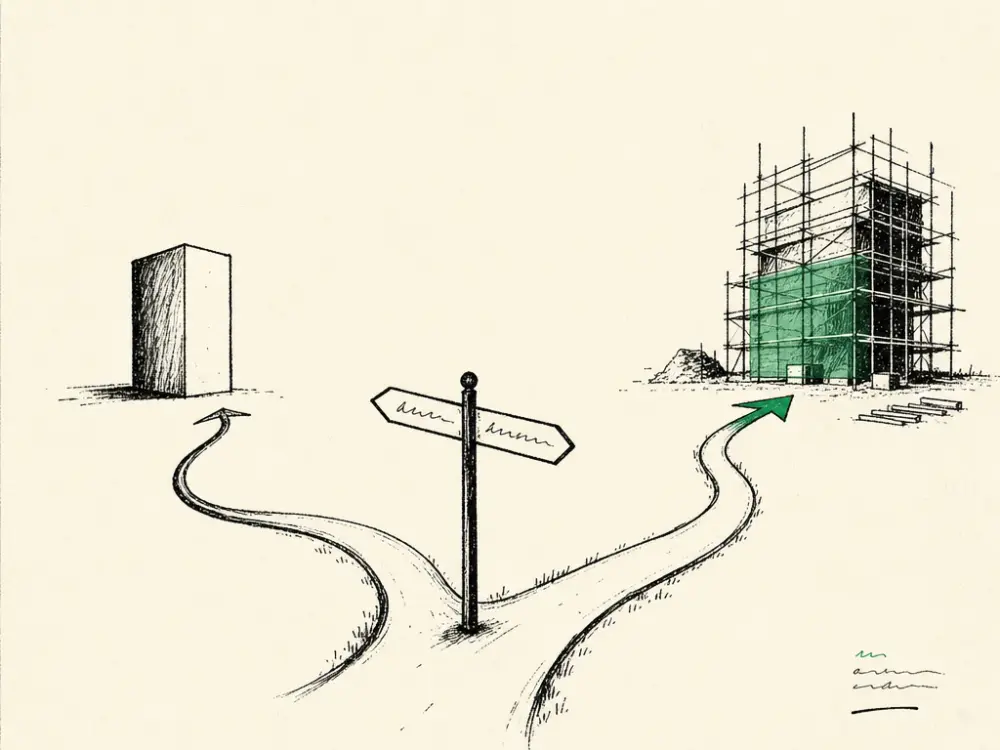
Every design agency I’ve ever spoken to has the same answer to “is my website any good?” The answer is no, and the fix is a rebuild, and the rebuild starts at four thousand pounds. I understand why. Rebuilds are how agencies bill. But I’ve grown clinics, not just websites, and I can tell you that a full rebuild is the right call maybe half the time.
The other half, the owner spends four grand and three months of disruption to solve a problem that a morning’s work would have fixed. Meanwhile the thing that was actually losing them bookings — a booking button below the fold, a page that took six seconds to load on 4G — was still there on the shiny new site, because nobody diagnosed it before they demolished it.
So before you sign anything, here’s how I’d work out whether your aesthetic clinic web design needs rebuilding or just needs fixing.
Why this decision costs you more than the invoice
A rebuild isn’t just the agency fee. It’s the eight to twelve weeks where your site is half-attended, the risk of losing the Google rankings you’ve quietly built up, and the very real chance the new site converts worse than the old one because it was designed to look good in a portfolio rather than to book patients.
Get the decision wrong in the other direction — patch a site that’s genuinely broken — and you keep leaking enquiries every week you delay. Either mistake is expensive. The point of diagnosing first is that you stop guessing.
The four questions that actually decide it
Forget how the site looks for a moment. Aesthetics is a good-looking industry and almost every clinic site looks fine. Looking fine is not the same as working. Ask these four things instead.
1. Can a patient book in under a minute, from a phone, without thinking?
This is the one that matters most and the one owners check last. Open your own site on your phone, in a slightly awkward position, the way a real patient does on the sofa at 9pm. Time yourself from landing to a booking or enquiry action.
If the “Book now” button is buried below three scrolls of hero imagery, if the contact form asks for eleven fields, if there’s no click-to-call, you’re losing people who were ready to book. That’s a Secure-Every-Enquiry problem, and often it’s a fix, not a rebuild — moving a button, cutting a form, adding a sticky call bar.
2. How fast does it load, honestly, on a normal phone?
Run your homepage and one treatment page through Google’s PageSpeed Insights and look at the mobile score, not the desktop one. Most patients arrive on mobile.
If you’re loading in under three seconds, speed isn’t your problem. If you’re at six or eight seconds because the site is stuffed with heavy sliders and uncompressed treatment photos, that is costing you real bookings — people leave before the page even appears. Sometimes speed is fixable on the current site. Sometimes the platform itself is the drag, and that’s a genuine reason to rebuild.
3. Is the site earning its rankings, or fighting them?
If your current site ranks for your treatments and your town, tread very carefully. A rebuild that changes your URLs, loses your page content, or drops your structure can wipe out rankings you spent years earning. I’ve watched clinics rebuild into a traffic crater because nobody mapped the old pages to the new ones.
If the site barely ranks for anything — thin content, no local pages, no treatment pages worth the name — then there’s little to protect and a rebuild is far safer. Check Google Search Console before you decide. The data tells you how much you have to lose.
4. Can you update it yourself, or do you have to ring someone?
A clinic website you can’t touch without paying a developer is a liability. Prices change, you add a treatment, a practitioner joins. If every small edit means an email and a three-day wait, the site is a job you don’t want rather than a system that works for you.
This is the Freedom-Through-Systems test. A site should run your front-of-house — bookings, enquiries, opening hours, new treatments — without you chasing anyone. If yours can’t, that’s a strong point in favour of rebuilding onto something you control.
When it’s genuinely a rebuild
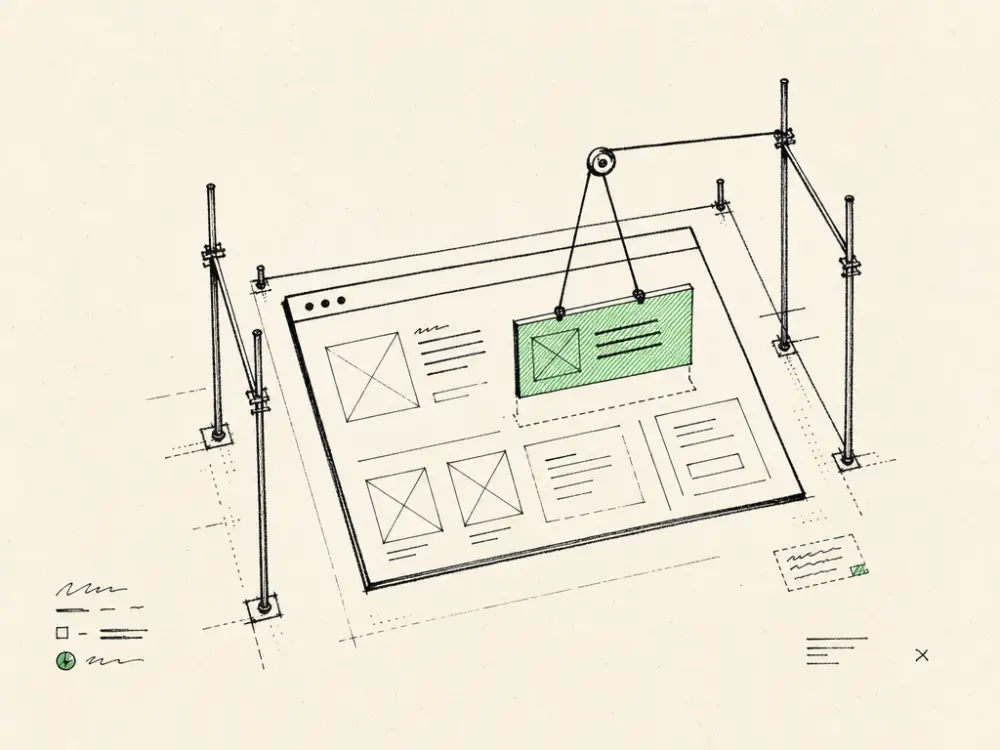
Be honest with yourself here. Rebuild when:
- The site isn’t mobile-responsive at all — it just shrinks the desktop version. That’s unfixable and it’s 2026.
- It’s built on an abandoned platform or a pile of plugins nobody dares update, so it’s slow and insecure by design.
- There’s no real content to rank — no treatment pages, no local relevance, nothing for Google to grab hold of.
- You can’t edit it, can’t add to it, and every change costs money and time.
If two or more of those are true, patching is throwing good money after bad. Rebuild — but rebuild with rankings protection, a proper page-mapping plan, and conversion as the brief, not just aesthetics.
When it’s a fix, not a rebuild
Leave the structure alone and fix the specifics when:
- The site is reasonably fast and mobile-friendly but the booking path is clumsy.
- It ranks decently and you’d be risking that for a cosmetic upgrade.
- The problems are a handful of concrete things — a weak homepage message, missing trust signals, no clear calls to book, dated photography.
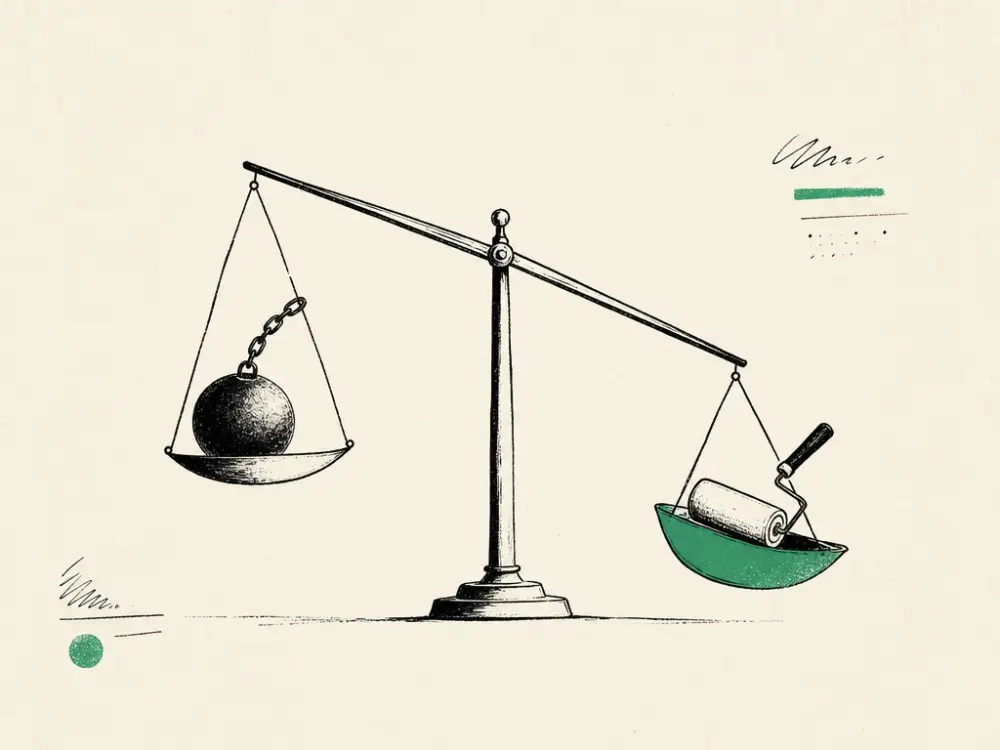
Most sites I audit are in this bucket. They don’t need demolishing. They need a sharper homepage message, the booking button made obvious, real reviews on the page instead of buried, the CQC registration and credentials shown as proof rather than hidden in a footer. A morning of focused work, not a quarter of upheaval.
What to do this week
You can settle this yourself before any agency call. In priority order:
- Do the phone-booking test. Time yourself booking from your own site on mobile. If it takes more than a minute or makes you think, that’s your first fix regardless of anything else.
- Run the mobile speed test. PageSpeed Insights, mobile score. Note it down. Under three seconds is fine; over five is a problem.
- Open Search Console. See what you already rank for. The more you rank, the more careful you need to be about any rebuild.
- Write down the three things that actually annoy you about the site. Nine times out of ten they’re specific and fixable, not “the whole thing.”
Do those four and you’ll walk into any web design conversation knowing whether you need a rebuild or a repair — and no agency will be able to talk you into the expensive answer when the cheap one would have worked.
Surinder Ahitan grew the CoLaz aesthetic clinic group from one clinic to nine UK locations in six years, mainly through SEO and well-built websites. If you want an honest read on whether your clinic’s web design needs rebuilding or just fixing — and exactly which changes would move the needle — the free audit takes 15 seconds and lands in your inbox within a day.