
How to Build a Referral Programme for Your Aesthetic Clinic
 By Surinder Ahitan · 8 min read
Most clinic owners I talk to are pouring money into the top of the funnel. New ads, new keywords, a new lead magnet, another go at Instagram. All of it aimed at strangers who’ve never heard of them.
Meanwhile, sitting in their patient list, is a group of people who already love the work, already trust the clinician, and already know exactly who they’d send. Their friends. Their colleagues. The woman at the school gate who keeps asking where they get their skin done.
Nobody has ever asked them to refer anyone. So they don’t. Not because they wouldn’t — because it never came up.
That’s the gap. A referral is the warmest lead you will ever get, and for most clinics it’s left entirely to chance.
Why referrals beat every other channel
When a patient refers a friend, three things happen that no ad can buy.
The trust transfers. A recommendation from someone you know does the selling before the new patient has even called. They arrive half-sold, fewer objections, less price resistance. They book faster and they haggle less.
The cost is near zero. You’re not bidding against other clinics for the click. There’s no cost-per-lead creeping up every quarter. A referral reward — even a generous one — costs a fraction of what you’d pay to acquire the same patient cold.
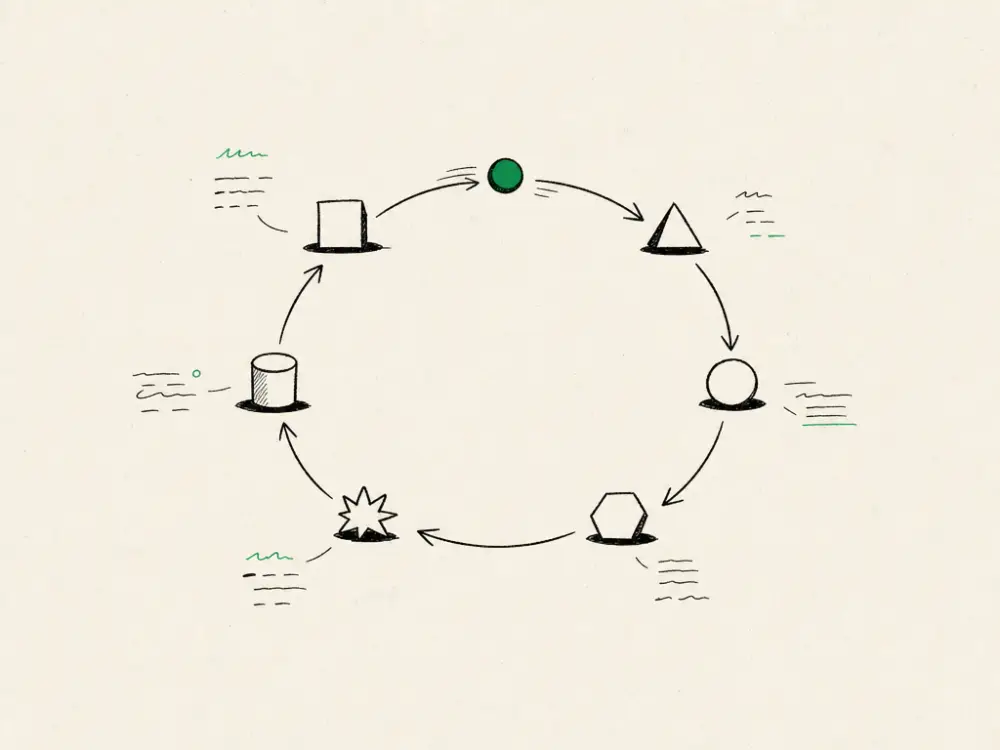
And referred patients stay longer. They came in through trust, not a discount, so they behave like loyal patients from day one. They’re more likely to rebook, more likely to refer in turn. That’s the whole point of R6 in the framework — Referrals isn’t a one-off tactic, it’s the stage that feeds back into Reach and starts the flywheel turning again.
A clinic with a working referral engine spends less to grow and grows more steadily. The problem is that almost nobody builds the engine. They just hope it happens.
The mistakes that kill referrals
Before the build, the four things I see clinics get wrong.
They never ask. This is the big one. The clinician feels awkward asking, so they say nothing and assume good patients will refer on their own. A few do. Most forget the moment they walk out the door.
They ask at the wrong moment. A referral request buried in a quarterly newsletter lands flat. The right moment is when the patient is happiest — and that’s a specific, findable point in the journey, not a random Tuesday.
They make it vague. “Tell your friends about us” gives the patient nothing to act on. No link, no card, no reason, no reward. Good intentions die without a next step.
They reward the wrong thing — or nothing. Either there’s no incentive at all, or it’s so small it feels insulting, or it’s structured so the patient has to do the chasing. Friction kills it.
Fix those four and you’re most of the way there. Here’s the structure.
The referral programme that actually works
1. Pick the moment
The best time to ask is right after a result the patient is thrilled with. For most treatments that’s the two-week review, when the swelling’s gone and they’re looking in the mirror loving it. That’s your trigger point. Build the ask into that appointment, every time, so it isn’t left to whether the clinician remembers.
For results that build over time, pick the appointment where the patient first says some version of “I can’t believe the difference.” Train the team to recognise that sentence — it’s the green light.
2. Make the ask human, then make it easy
The ask itself is short and warm. Something like: “I’m really pleased with how this has gone. If you’ve got a friend who’s been thinking about something similar, I’d love to look after them too — and there’s a little thank-you in it for both of you.”
Then hand them the mechanism immediately. A referral card with a code. A text with a link they can forward. Whatever it is, it has to leave the room with them. If they have to remember a website and type something in later, you’ve lost them.
3. Reward both sides
The referrer gets something. The new patient gets something. Two-sided rewards convert far better than one-sided, because the referrer isn’t asking their friend for a favour — they’re handing them a gift.
Money off a future treatment works well because it brings the referrer back in too. A credit toward their next appointment, a free add-on, a skincare product they already use. Make it genuinely worth having. A clinic charging £250 a treatment can afford to give £30 each way and still come out far ahead of what a cold lead costs.
Keep it compliant. Under the ASA rules, you can’t incentivise reviews, and you need to be careful not to push prescription-only treatments in your messaging. Reward the referral of a person, not a public endorsement, and keep the treatment-specific claims out of the referral copy.
4. Track it, or it doesn’t exist
This is where R6 meets the L pillar — Leverage Smart Marketing. If you can’t trace a booking back to who referred it, you can’t reward properly and you can’t tell whether the programme works. A simple code per patient, or a “how did you hear about us?” field on your booking form that the team actually fills in, is enough to start. You don’t need software. You need the data captured every time.
5. Close the loop
When a referral books, thank the referrer fast. Same day if you can. A quick personal message — “Sarah just booked in thanks to you, your credit’s on your account” — does two things. It pays out without the patient having to chase, and it tells them the programme is real. That’s what turns a one-time referrer into someone who sends you three more.
What this looked like across nine clinics
When I was growing my own group, referrals were never an afterthought — they were a stage we ran deliberately. Every clinic had the two-week-review ask built into the appointment. Every front desk knew to capture the source. The reward was two-sided and paid out the same week.
It compounded. One happy patient brought a friend, that friend brought their sister, and within a year a meaningful slice of new bookings came in warm, pre-sold, and cheap. That’s the quiet advantage referrals give you: while your competitors are bidding each other up on the same ads, you’re growing off patients you already won.

What to do this week
Pick one. They’re in priority order.
- Decide your trigger moment — most likely the two-week review — and write the one-line ask the clinician will use. Put it where the team will see it.
- Set the two-sided reward. Pick a number you can afford on every treatment and make it the same both ways so it’s easy to explain.
- Sort the mechanism. A card with a code, or a forwardable text link. It has to leave the room with the patient.
- Add a source field to your booking process and brief the team to fill it in every single time, starting Monday.
You’ll have referrals trickling in within a month and a steady stream within a quarter. It’s the cheapest growth most clinics never get around to building.
Surinder Ahitan grew the CoLaz aesthetic clinic group from one to nine UK locations in six years, mainly through SEO and word of mouth rather than paid ads. If you want a structured look at where your clinic is leaking growth — including the referral and retention stages most owners never set up — the free audit takes 15 seconds and lands in your inbox shortly after.