
Your Aesthetic Clinic Receptionist Is Your Best Salesperson

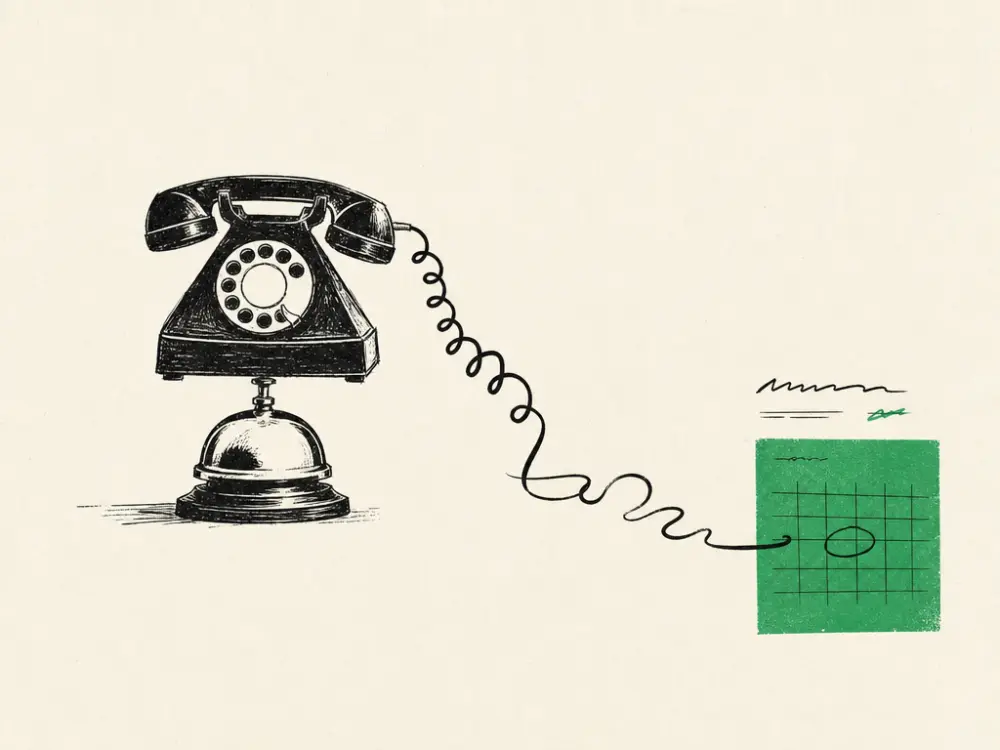
When I opened the first CoLaz clinic, I thought the person on the front desk was there to keep the diary tidy. Answer the phone, check people in, take payments. An admin role.
It took me far too long to see it properly. The receptionist was the first conversation almost every new patient had with us. They decided whether a curious caller became a booked consultation or a polite “I’ll think about it”. By the time we had nine clinics, I’d stopped thinking of the front desk as admin. It was the sales team, and in most clinics it was the only one.
Most clinic owners I speak to still treat it as admin. They spend thousands bringing people to the phone, then hand that phone to whoever is free.
Why the front desk decides your revenue
Every enquiry that reaches you has already cost money. Your Google listing, your reviews, your website, your Instagram, maybe an ad. All of that work ends with somebody picking up the phone or sending a message.
What happens in the next two minutes decides whether that money comes back. A caller who gets a warm, confident answer and a clear next step books. A caller who gets an unanswered phone, a rushed “can I call you back”, or a list of prices with no context goes back to Google and rings the next clinic down the road. You never hear about them. Lost calls don’t show up on any report.
What I learned about the front desk across nine clinics
These are the things that made the biggest difference for us. None of them need a bigger team.
1. Hire for warmth, train for everything else
The best receptionists I ever had were not the ones with the most clinic experience. They were the ones who sounded genuinely pleased to hear from people. You can teach someone the booking system in a week. You can’t really teach somebody to care about a nervous caller asking about their first anti-wrinkle treatment.
When I interviewed, I started doing part of it over the phone. If they sounded flat on a call with me, they’d sound flat with patients.
2. Give them a simple shape for every call
Scripts word for word sound robotic. No structure at all means every call goes a different way and half of them end without a booking. What worked for us was a simple shape:
- Welcome and name. “Good morning, CoLaz, this is Jo.” Every time.
- Ask what brought them in. Let the caller talk. Most people ringing a clinic for the first time want to be listened to before they’re sold to.
- Answer the question they asked. Including price, if they ask. Dodging it loses trust fast.
- Offer the consultation. Not “would you like to book?”, but “I’ve got Thursday at 6pm or Saturday morning, which suits you better?”
- Confirm by text straight away. Name, time, address, what to expect.
That last step matters more than it looks. A booking that isn’t confirmed in writing is a booking that’s easy to forget.
3. Price questions are buying signals
New receptionists often get nervous when a caller opens with “how much is lip filler?” They read it as a bargain hunter. Usually it’s the opposite. Somebody asking about price is close to deciding.
We trained the team to give the honest range, then add one sentence of context. “It’s from £250, and the practitioner will go through exactly what you’d need at the consultation, which is free.” Price, reassurance, next step. That one habit turned a lot of price enquiries into bookings.
4. Busy hours are when you lose the most
Here’s the uncomfortable bit. The times your phone rings most are the times nobody can answer it. Lunchtime, when patients call from work. Straight after five, when they’re on the way home. Saturday mornings, when the front desk is checking people in and taking payments at the same time.
When we looked at our missed calls properly, they bunched into the same few windows every week. The receptionist wasn’t lazy. They simply had a patient in front of them and a phone ringing at the same moment, and the person in front of them won every time, as they should.
Every missed call needs a reply within minutes, not at the end of the day. A text that says “Sorry we missed you, how can we help?” saves a surprising number of them, because the caller hasn’t rung anyone else yet.
5. Follow-up is part of the job, not an extra
The second biggest leak after missed calls was the “I’ll think about it” pile. Callers who asked good questions, sounded keen, then didn’t book. In a busy week nobody rang them back, so they drifted to whichever clinic did.
We made follow-up part of the receptionist’s day. A short message the next day, another a few days later, then leave it. Polite, helpful, never pushy. A good share of those people booked, and they were often the most loyal patients later, because somebody had bothered.
6. Make reviews part of checkout
The front desk is the last person a patient sees. That’s the best moment to ask for a review, while the patient is happy and the experience is fresh. We got far more reviews when the receptionist mentioned it at checkout and a link followed by text that evening than we ever did from a sign on the wall.
Where the front desk needs backup
Even a great receptionist can’t be in two places. They take lunch. They go home at six. They’re off sick on the busiest Saturday of the year. If your whole enquiry process depends on one person being free at the right moment, you’ll lose patients every single week, and you’ll never know how many.
That’s why the clinics I work with now have cover built around the front desk. A missed call triggers a text back within a minute. Website enquiries, texts and social messages land in one inbox so nothing sits unread in an app nobody checks. Follow-up messages go out on time, every time. And an AI receptionist answers live calls when the team is with a patient, so the caller gets a real answer and a booking instead of a ringing phone.
None of that replaces your receptionist. It means they spend their time on the patient in front of them and the calls that need a human, instead of chasing the ones that slipped.
What to do this week
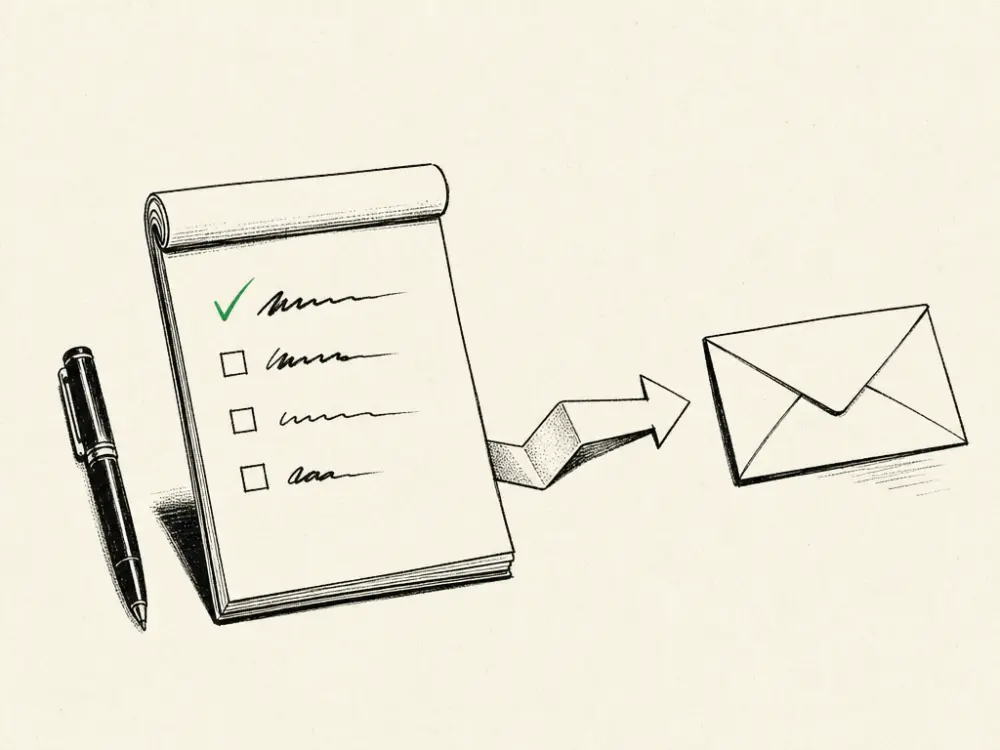
Start with these, in order:
- Count your missed calls. Most phone systems will show you. Look at which hours they bunch into. That’s where your bookings are leaking.
- Write down your call shape. Five steps, one page, pinned by the phone. Go through it with whoever answers your calls.
- Set a rule for missed calls. Every one gets a text or callback within fifteen minutes during opening hours. Decide who owns it.
- Ring your own clinic at lunchtime. Listen to what a new patient hears. If nobody picks up, you’ve found your first job.
The front desk is where all your marketing either pays off or quietly goes to waste. Treat it like the sales role it is, give it some backup for the busy hours, and you’ll book more of the patients you’re already paying to attract.
Surinder Ahitan grew the CoLaz aesthetic clinic group from one clinic to nine between 2016 and 2022, and still runs its website today.
If you’d like the cover around your front desk handled for you, I build and run websites for UK aesthetic clinics for £297 a month, with missed-call text-back, follow-up and an AI receptionist included, no build fee and no minimum term. Book a 30-minute call and I’ll tell you honestly whether it’s a fit.