
Should You Put Prices on Your Aesthetic Clinic Website?

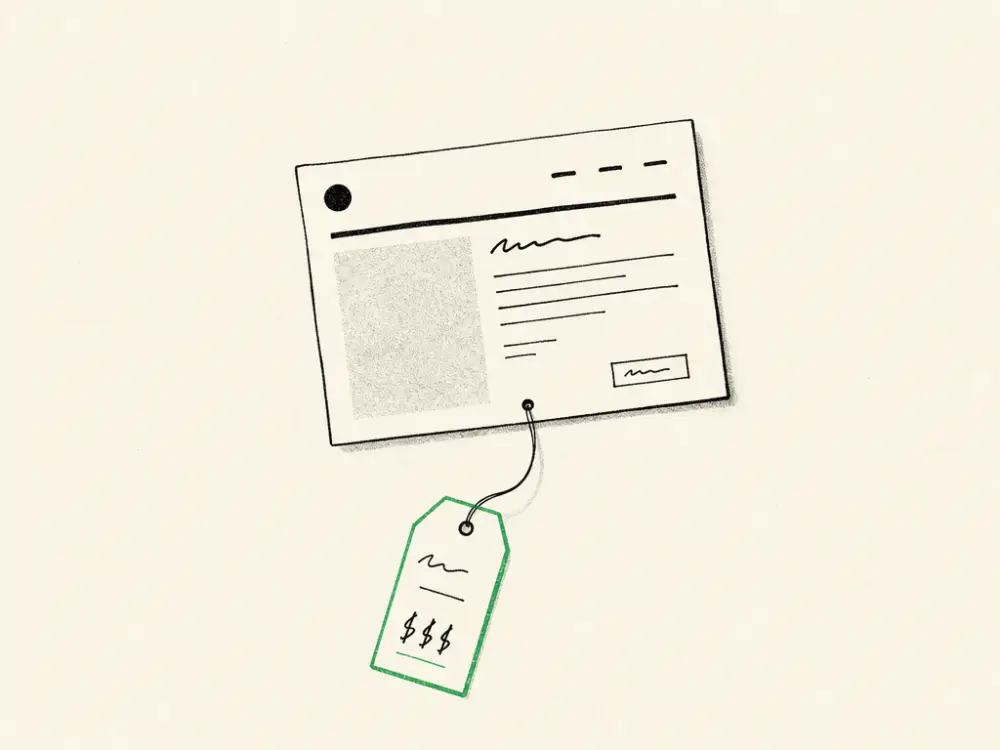
Nearly every clinic owner I speak to has the same worry about publishing prices. If I put my numbers up, people will shop me against the clinic down the road and I’ll lose on price alone.
I understand it. I held the same view for about two years across the clinics I ran, and I was wrong. What actually happens when you hide your prices is that the price-shoppers still contact you — they just contact you first, use twenty minutes of your reception’s time, and then go elsewhere. Meanwhile the patient who was ready to book, who had £450 in mind and no interest in haggling, quietly closes the tab because she can’t tell whether you’re a £200 clinic or a £900 one.
You don’t filter out the wrong patients by hiding prices. You filter out the right ones.
What hiding your prices actually costs
Three things happen when there’s no number anywhere on the site.
Your enquiry volume looks healthier than it is. You get more messages, but a bigger share of them are “how much is it?” — a question that costs you a reply and converts at almost nothing. Your team starts to feel busy while the diary stays soft.
You lose the ready-to-book patient. Someone comparing three local clinics on a Sunday evening will nearly always shortlist the two that show numbers over the one that doesn’t. Not because the third is expensive — because it’s uncertain, and uncertainty is easier to skip than to resolve.
You give up the search traffic. “Lip filler prices Solihull”, “dermal filler cost near me”, “profhilo price UK” — these are among the highest-volume searches in aesthetics, and they end in a booking far more often than the generic treatment terms do. A clinic with no price content on the site cannot rank for any of them. Your competitor with a plain, honest price list will take every one of those searches.
That last point is the one owners underestimate. Price searches are late-stage. The person doing them has decided she wants the treatment and is now deciding where. That is the cheapest patient you will ever win, and you’re currently invisible to her.

What to publish, and how
Publishing prices does not mean printing a bare list and hoping. Here’s the version that works.
1. Give a range, not a single figure, where the treatment justifies it
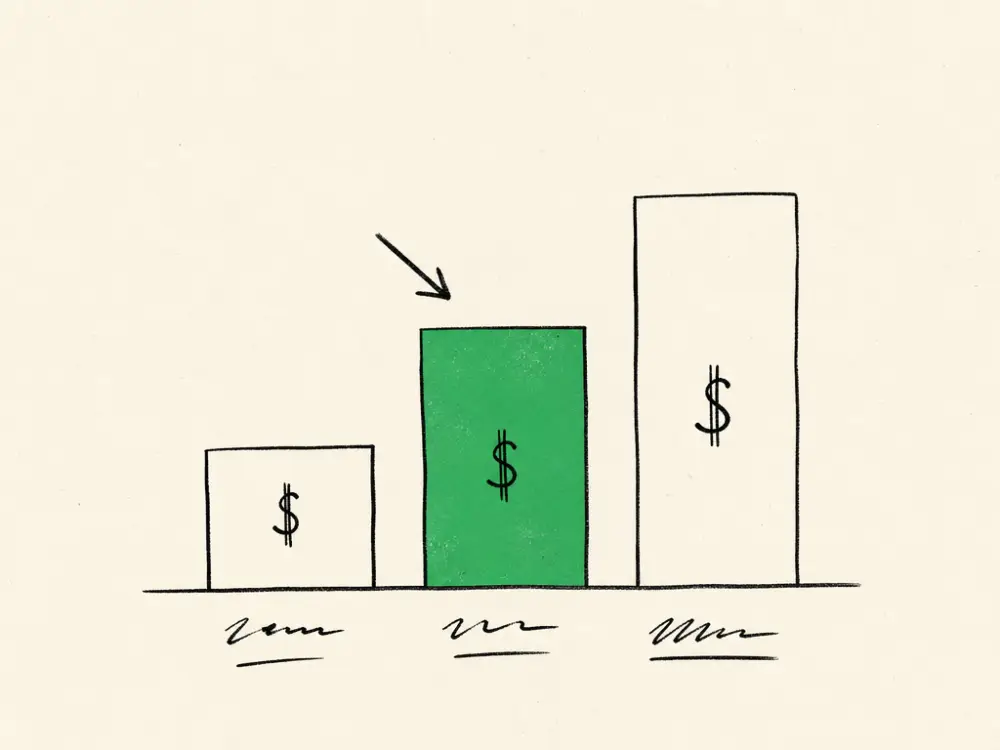
Wrinkle-relaxing treatment has real variables — one area, two areas, three. Fillers vary by volume. Say so plainly: “Anti-wrinkle treatment: £180 for one area, £250 for two, £300 for three.” Or where it genuinely depends on assessment: “Profhilo: £350 per session, £600 for the recommended course of two.”
A range is honest and it still anchors. What kills you is silence, not nuance. A patient who sees “from £180” knows she is in the right shop. A patient who sees nothing assumes the worst, or assumes the cheapest — and both assumptions cost you.
2. Put the price on the treatment page, not just a price list
This is where most clinics get the mechanics wrong. They build one Treatments and Prices page holding forty rows, and every individual treatment page stays silent.
The price belongs on the page the patient is actually reading. Someone on your lip filler page is deciding about lip filler. Making her navigate to a separate table to find the number adds a step, and every step loses people. Put it in the body of the page, near the top, phrased as a sentence rather than dropped into a table.
Keep the full price list as well — it’s useful, and it can rank on its own — but treat it as a summary of what’s already on the individual pages, not the only place the numbers live. If your treatment pages need work more broadly, I’ve written about where treatment pages leak bookings.
3. Explain what the price includes
The number on its own invites comparison. The number with context invites trust.
“£250 includes your consultation, the treatment, a two-week review appointment, and any top-up needed at that review.” Now the £250 clinic and the £190 clinic down the road are not the same product, and the patient can see why. This single sentence does more to protect your margin than hiding the figure ever did.
Mention the practitioner qualification here too, if it’s a differentiator. A nurse prescriber with twelve years behind her is not the same purchase as a weekend-trained injector, and the pricing section is a natural place to say so without it sounding like boasting.
4. Never publish a price against a prescription-only medicine by brand name
This one is a rule, not a preference. In the UK you cannot advertise prescription-only medicines to the public, and that includes botulinum toxin brand names. “Botox £180” on your website is an advertising breach, however common it is on the high street.
Write “anti-wrinkle treatment” or “wrinkle-relaxing injections” instead, and price that. You lose nothing commercially and you stay on the right side of the rules. The same logic runs through your ads and social posts — I’ve covered the wider position in UK aesthetic advertising rules.
5. Date the page and keep it current
Add “Prices correct as of September 2026” at the foot. It takes ten seconds, it protects you when costs move, and it signals to both patients and Google that somebody is actually maintaining the site.
The failure mode here is a price list that’s eighteen months stale. A patient who arrives expecting £180 and is quoted £220 at the desk does not experience that as a price rise. She experiences it as being misled, and that’s a review you don’t want.
6. Give the price a job to do
End the pricing section with the same next step your treatment pages use — a specific, low-commitment action. “Book a 15-minute consultation” beats “Contact us” every time, because it tells her exactly what she’s agreeing to.
If you offer finance or a course discount, say it here rather than holding it back for the phone call. The patient deciding at 9pm on a Sunday is not going to ring you to find out.
What to do this week
- Pick your five highest-volume treatments and write a price or a range for each one, in a sentence, on its own treatment page. Not the whole menu — five.
- Add the “what’s included” line to each. One sentence, specific to that treatment.
- Check your wording against the prescription-only rule. Search your own site for brand names of prescription medicines and swap them for generic treatment descriptions.
- Date the page and put a reminder in your diary to review it every quarter.
That’s a half-day of work at most, and it’s the closest thing to a free win I know of in clinic marketing. You aren’t lowering your prices. You’re removing the reason a ready patient leaves without contacting you — which is the whole of the S in S.E.L.F. Every enquiry you don’t secure is a patient somebody else treats.
Surinder Ahitan grew the CoLaz aesthetic clinic group from one clinic to nine UK locations in six years, mainly through search.
If you’d like someone to handle this for you, I build and run websites for UK aesthetic clinics for £297 a month, with no build fee and you can cancel any time after month 1. Book a 30-minute call and I’ll tell you honestly whether it fits.