
Stop Losing Aesthetic Clinic Bookings You've Already Paid For
 By Surinder Ahitan · 8 min read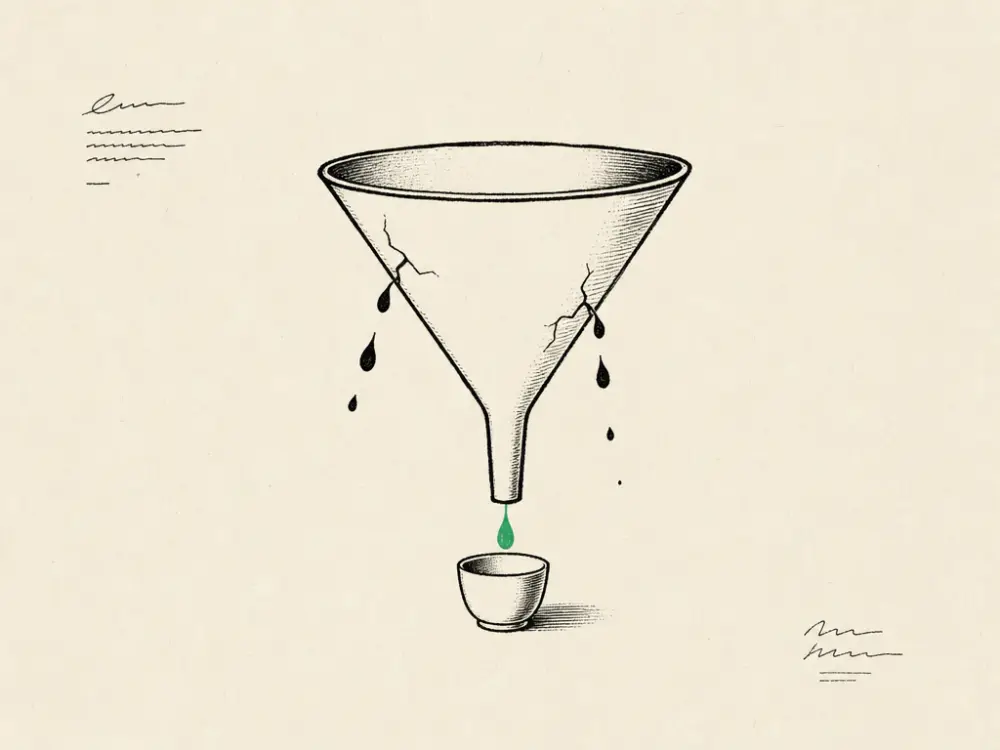
Almost every clinic owner who comes to me wants the same thing: more enquiries. More traffic, more ads, more reach. It’s the first lever everyone reaches for.
So I ask a different question. Of the enquiries you already get — the calls, the form fills, the Instagram DMs, the “hi, do you do lip filler?” messages — how many turn into a booked, paid appointment?
Most owners don’t know. And when we actually count, the answer is usually somewhere between a third and a half. The other half raised their hand, and nobody took it. That’s not a traffic problem. That’s a leak, and you’re paying to keep filling a bucket with a hole in the bottom.
Why this is the most expensive problem you have
Here’s the maths that changes how owners think about it.
Say you spend money to generate 40 enquiries a month — ads, SEO, your GBP, all of it. If you book 40% of them, that’s 16 patients. If you book 60% of them, that’s 24 patients. Same enquiries, same spend, eight extra patients a month. At an aesthetic clinic’s lifetime value, that’s tens of thousands of pounds a year you were leaving on the table.
Now compare that to the usual instinct: spend more to get more enquiries. To get those same eight extra patients by turning up the ad budget, you’d have to generate another 20 enquiries a month and pay for every one of them. Fixing the leak is free. It’s already-paid-for revenue.
This is the S in the S.E.L.F framework — Secure Every Enquiry. Every enquiry is a person who raised their hand. Losing one isn’t neutral. It’s a quiet tax on everything you spent to earn that person’s attention in the first place.
Where the enquiries actually leak
When I trace a clinic’s leak, it’s almost never one big hole. It’s four or five small ones, and they compound.
1. Nobody answers fast enough
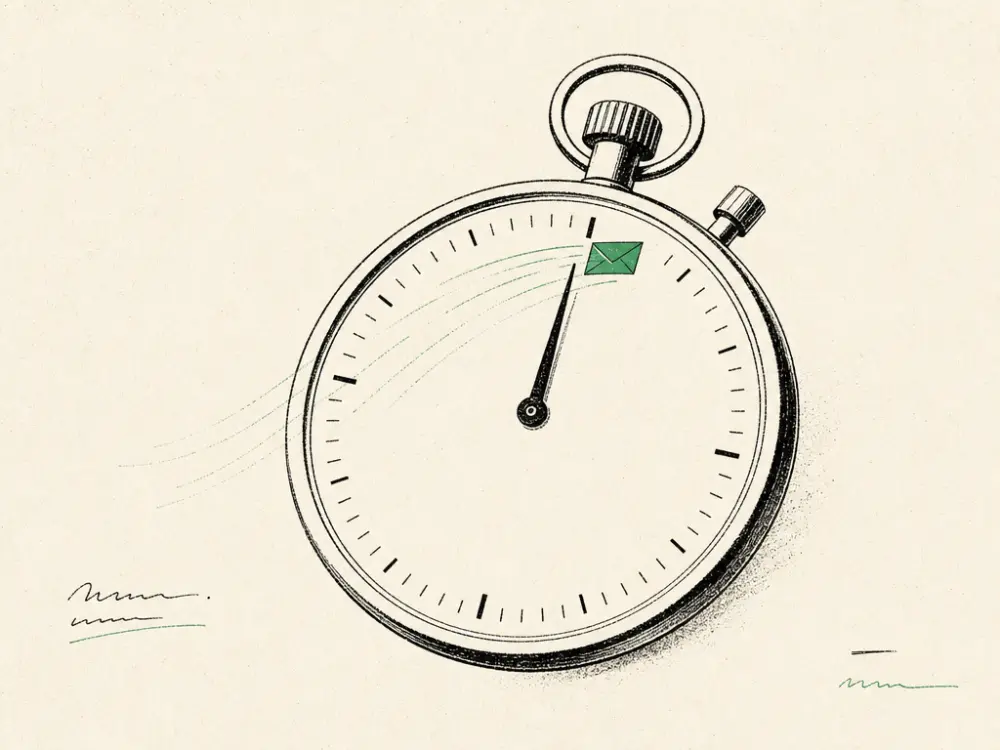
This is the biggest one by a distance. An enquiry has a half-life measured in minutes, not days. Somebody messaging three clinics at 9pm on a Sunday will book with whoever replies first and sounds human. If your answer lands on Tuesday afternoon, they’re already booked in somewhere else.
The clinics that win aren’t the ones with the best reply — they’re the ones with the fastest one. A quick “Hi Sarah, yes we do — I’ve got Thursday 2pm or Friday 10am, which suits?” beats a beautiful reply that arrives two days late every single time.
I know it feels backwards. A considered, polished reply feels more professional than a fast one dashed off between patients. But the patient isn’t grading your prose. They’ve messaged three clinics and they’re waiting to see who wants the work. Speed reads as “this clinic is on it.” Silence reads as “they’re too busy for me” — and off they go to whoever answered first.
2. The enquiry lands somewhere nobody’s watching
Enquiries arrive in five places — the phone, the website form, Instagram, Facebook, WhatsApp — and in a lot of clinics each one is somebody’s job on a good day and nobody’s job on a busy one. The website form emails an inbox the owner checks at night. The Instagram DM sits unread because the person who runs social isn’t in today.
If you can’t say exactly who sees each channel and how fast, you already know where your leak is.
3. Missed calls that never get called back
A missed call during a treatment is a booking walking out the door. Most clinics are single-handed for stretches of the day — you’re with a patient, you can’t answer, and the missed call just sits there. No voicemail, no text back, nothing. That caller rings the next clinic on the list.
A missed call is not a nuisance. It’s an enquiry that cost you money to generate and got dropped on the floor.
4. One reply, then silence
Plenty of clinics answer the first message and then stop. The patient asks a price, gets a price, says “great, thanks” — and nobody ever follows up. No nudge, no “did you want me to hold that Thursday slot?”, nothing. About half of people who go quiet will book if you follow up once or twice. Almost nobody does it.
Going quiet rarely means no. It usually means “not right this second.” They got distracted, the kids needed feeding, they wanted to check the date with a partner. A single follow-up two days later catches most of those people at a better moment — and it costs you one message. Leaving them alone, by contrast, hands them to the next clinic that does bother to check back in.
5. The reply asks them to do the work
“Give us a call to book.” “Fill in this form.” “DM us for prices.” Every extra step you push back onto the patient is a place they drop out. The enquiry is the moment they’re warmest. Handing them a task cools them right down.
What to do this week
You don’t need software or a receptionist to fix most of this. You need a decision and a couple of habits. In priority order:
-
Set a response-time rule and mean it. Every enquiry, every channel, gets a first reply within the hour during working hours — and a same-evening reply for anything that lands after close. Fast and human beats slow and polished.
-
Put a text-back on your missed calls. Even a basic auto-text — “Sorry we missed you, we’re with a patient. Reply here and we’ll get you booked in” — turns dropped calls into live conversations. This is the single highest-return fix for a single-handed clinic.
-
Give every channel one owner. Write down who watches the phone, the form, Instagram, and WhatsApp, and by when. If it’s all you, batch it: check every channel at set times so nothing sits for a day.
-
Add one follow-up. Anyone who enquired and went quiet gets one friendly nudge 24–48 hours later. “Just checking you got my message — happy to hold a slot if you’d like one.” One message. It’ll book more people than your next ad campaign.
-
Cut a step out of every reply. Instead of “give us a call”, offer two specific times. Instead of “DM for prices”, lead with the price. Do the work for them while they’re warm.
The reframe that sticks
Getting found is real work, and it matters — that’s the Reach problem, R1 in the framework. But reach only pays off if you catch what it brings you. A clinic that’s brilliant at getting attention and average at answering it is pouring effort into a leaking bucket.
So before you spend another pound on more enquiries, count what happens to the ones you’ve already got. Nine times out of ten, the fastest growth isn’t out there in the market. It’s the half of your enquiries that are quietly slipping through the cracks right now.
Surinder Ahitan grew the CoLaz aesthetic clinic group from one to nine UK locations in six years, mainly through SEO and well-built websites. If you want an honest look at where your own clinic is leaking enquiries — from the website form to the follow-up — the free audit takes 15 seconds and lands in your inbox shortly after.