Aesthetic Clinic Marketing Ideas: The Six That Pay
 By Surinder Ahitan · 8 min read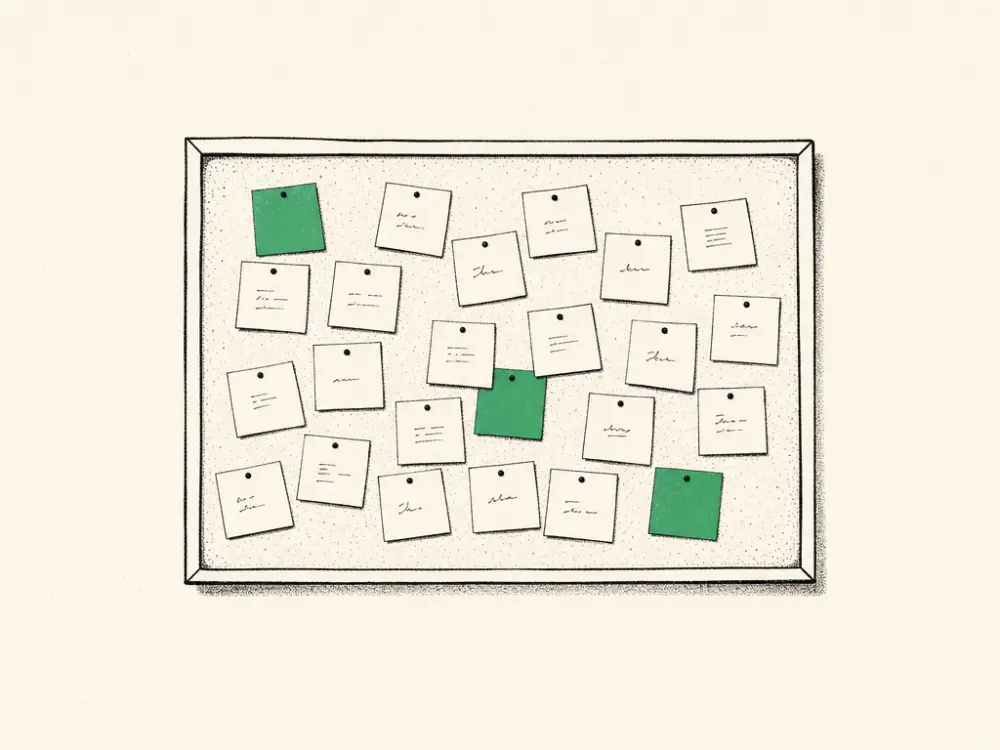
Search “aesthetics marketing ideas” and you’ll get a list of fifty. Run a competition. Start a TikTok. Do a pop-up event. Partner with a local gym. Make a lookbook. Send a birthday text.
I’ve read those lists. I’ve also spent six years growing a clinic group from one site to nine, and I can tell you that about forty of the fifty produced nothing I could trace to a booking. Not because they’re bad ideas in the abstract — because a clinic owner has maybe four hours a week for marketing, and spreading four hours across fifty ideas means fifty things done badly.
So this isn’t a list of fifty. It’s the six that kept earning their place, and the ones I quietly dropped.
Why the long lists hurt you
Every idea you take on has a running cost. Not just the setup — the upkeep. A TikTok account isn’t a one-off; it’s a weekly obligation that decays the moment you stop. A competition isn’t a campaign; it’s a fortnight of admin and a list of people who wanted a free treatment and will never pay full price.
The clinics I see struggling aren’t doing too little marketing. They’re doing eleven things at 20% effort. Nothing gets past the threshold where it starts compounding, so nothing ever works, so the owner concludes marketing doesn’t work for their clinic.
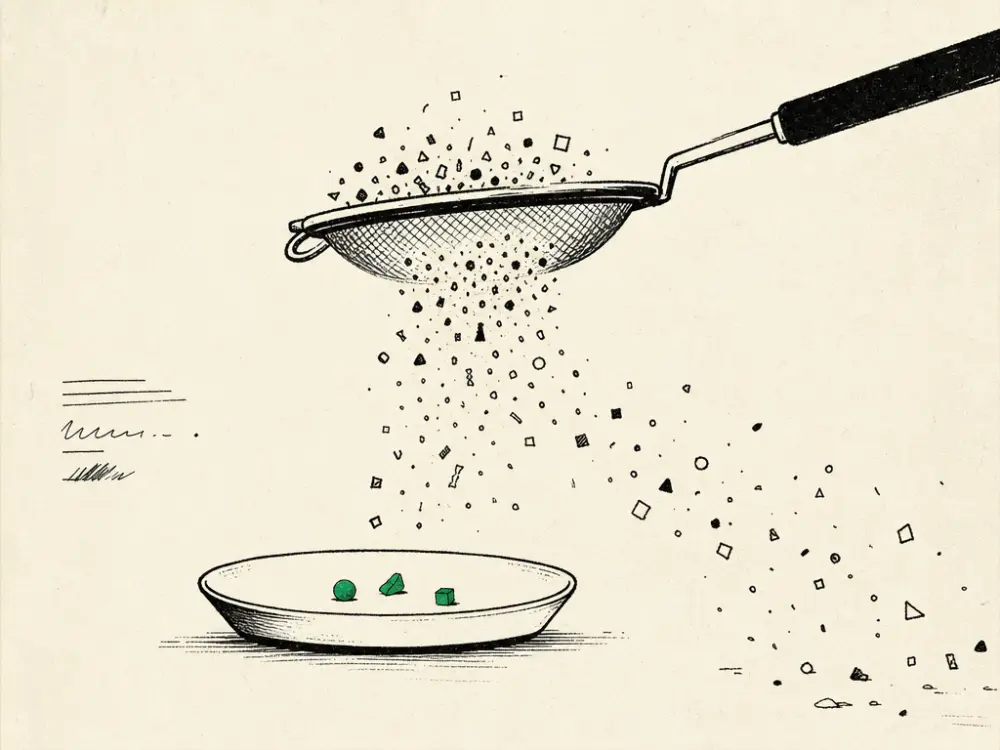
Six things done properly beats fifty things half-done. Here’s my six.
The six that pay
1. Own your treatment-plus-town searches
Somebody within three miles of you is typing “lip filler Solihull” into their phone right now. That search has intent you cannot buy anywhere else — they want the treatment, they want it near you, and they’re looking today.
You want a real page for each of your main treatments, with the town named in it, and a Google Business Profile that’s actually finished. Not a services list with six umbrella items. Every treatment, named the way patients say it.
This is the single highest-return thing on the list and it’s also the least glamorous, which is exactly why most clinics skip it and buy ads instead.
2. Ask every patient for a review, every time
Reviews are the cheapest trust you will ever buy, and the compounding is brutal in your favour. A clinic with 210 reviews and 4.9 stars doesn’t have to convince anybody of anything. A clinic with 14 reviews is arguing from a standing start on every single enquiry.
The mechanism is boring: one short text after every appointment, with the link. Not a paragraph. “If you’ve got a minute, a review really helps us — [link].” Make it part of closing the appointment, not something you remember to do on a slow Tuesday.
Two hundred reviews is roughly one year of asking properly. There’s no shortcut and there doesn’t need to be.
3. Reply to enquiries in minutes, not hours
This isn’t marketing in the way most people mean it, but it’s where the money is. An enquiry that sits in an inbox for six hours has usually already booked with somebody else. The patient messaged three clinics; the first to answer usually wins.
You don’t need a call centre. You need a rule: enquiries get a human reply within fifteen minutes during opening hours, and an honest holding message outside them. That’s it. This one change is worth more than most clinics’ entire ad budget, because you already paid to get the enquiry — you’re just failing to collect it.
That’s the S in S.E.L.F: secure every enquiry. Every one you lose here is money you’ve already spent.
4. Treat the first appointment as the start of a plan
Most clinics sell a treatment. The good ones sell what happens next. Not by upselling on the bed — by having an honest conversation about what a course actually looks like and when you’d want to see them again.
A patient who books one treatment is worth a few hundred pounds. The same patient on a sensible three-visit plan, coming back for two years, is worth thousands. Same acquisition cost. Same face. Different conversation at the end of the appointment.
You don’t need software to start. You need the clinician to say, out loud, “here’s what I’d suggest over the next six months,” and someone to write it down and follow it up.
5. Text your lapsed patients twice a year
Your database is the most underused asset in the building. People who paid you money, liked the result, and simply drifted — moved house, got busy, forgot. They’re not lost. Nobody asked them back.
Twice a year, a short, personal, non-pushy message to anyone you haven’t seen in nine months. Not a broadcast blast with a banner and an offer code. Something that reads like it came from a person who remembers them.
The response rate on this embarrasses every paid channel I’ve ever run, and it costs the price of a few hundred texts.
6. Ask happy patients who else you should be treating
Referrals are the cheapest bookings in aesthetics, and almost no clinic asks for them, because it feels awkward. It’s less awkward than you think. A patient who’s delighted with their result is usually pleased to be asked.
Give them a reason and make it easy — a card, a link, something small for both sides. Then actually ask, at the moment they’re happiest, which is right after they’ve seen the result, not in an email six weeks later.
What I stopped bothering with
Being honest about the misses matters as much as the hits:
- Competitions and giveaways. They build a list of people who want free things. I ran several. The conversion to paying patients was close to zero.
- Printed leaflets and door drops. Expensive per booking, impossible to trace, and the responses skew toward people price-shopping.
- Posting daily on social for the sake of it. Social is worth doing as proof — before-and-afters, real work, within the ASA rules. It’s not worth doing as a treadmill. Three good posts a month beats twenty filler ones.
- Chasing every new platform. Every year there’s a new one you’re told you must be on. The searches in idea one have been there for fifteen years and will be there in five more.
None of these are morally wrong. They’re just the ones that didn’t survive contact with a P&L.
What to do this week
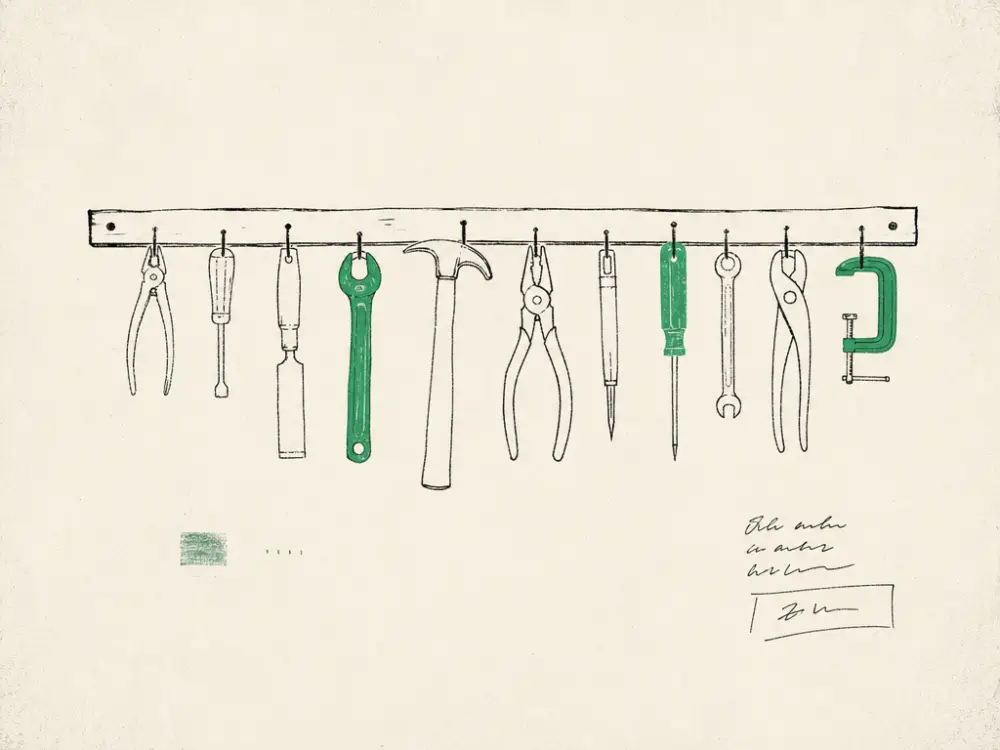
Pick from the top. Don’t do all four.
- Set your enquiry response rule — fifteen minutes, during hours, no exceptions. Free, immediate, and the fastest payback on this page.
- Finish your Google Business Profile — every treatment listed properly, by name. Takes about an hour.
- Start the review ask. One text, after every appointment, from today. Not a project — a habit.
- Write down your lapsed list — anyone you haven’t seen in nine months. Don’t message them yet. Just see how big it is. Most owners are shocked.
The reason I keep coming back to these six is that they compound. An ad stops working the day you stop paying. Reviews, rankings, plans, and a warm database keep working while you’re treating patients. That’s the difference between marketing that costs you money and marketing that quietly builds an asset.
Surinder Ahitan grew the CoLaz aesthetic clinic group from one to nine UK locations in six years, mainly through SEO and well-built websites. If you’d like to know which of these six your clinic is currently leaving on the table, the free audit takes 15 seconds and lands in your inbox shortly after.