Before and After Photos for Aesthetic Clinics: Rules and Consent

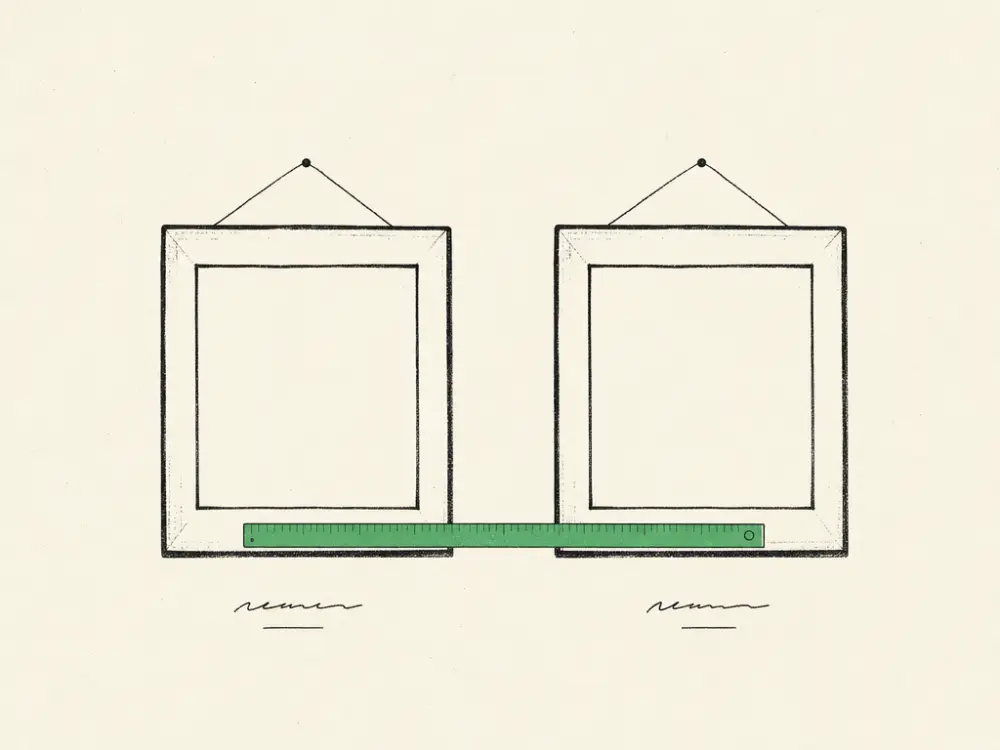
When I look at a clinic’s website analytics, the before and after gallery is nearly always one of the most visited pages. Patients go straight to it. They want to know one thing: will I look like that, and does this clinic know what it’s doing?
The trouble is that the gallery is also where most clinics are quietly taking the biggest risk. Photos taken on a staff member’s phone, no written consent for marketing use, a filter here, a flattering angle there, and a caption that names a prescription-only medicine. I’ve seen all of that on a single page.
None of it feels serious until a complaint lands, a patient withdraws consent, or Instagram pulls your account. So here’s how I’d set up before and after photos properly, so they keep doing the selling without putting the clinic at risk.
Why this matters more than it looks
A good gallery turns a curious visitor into a booked consultation. A patient who has seen ten honest results for the treatment they want arrives at the consultation already half decided. That saves your practitioner time and lifts the number of people who go ahead.
A bad gallery does the opposite. If the photos look edited, patients don’t trust them. If a regulator or a platform makes you take them down, you lose your strongest piece of proof overnight. And if a former patient finds their face on your site without having agreed to it, you have a data protection problem and, very likely, a one-star review.
How to get before and after photos right
1. Take them the same way every time
Most of the credibility in a before and after comes from consistency. Same room, same light, same distance, same angle, same background. If the “after” is brighter, closer or taken with the head tilted, patients notice, even if they can’t say why.
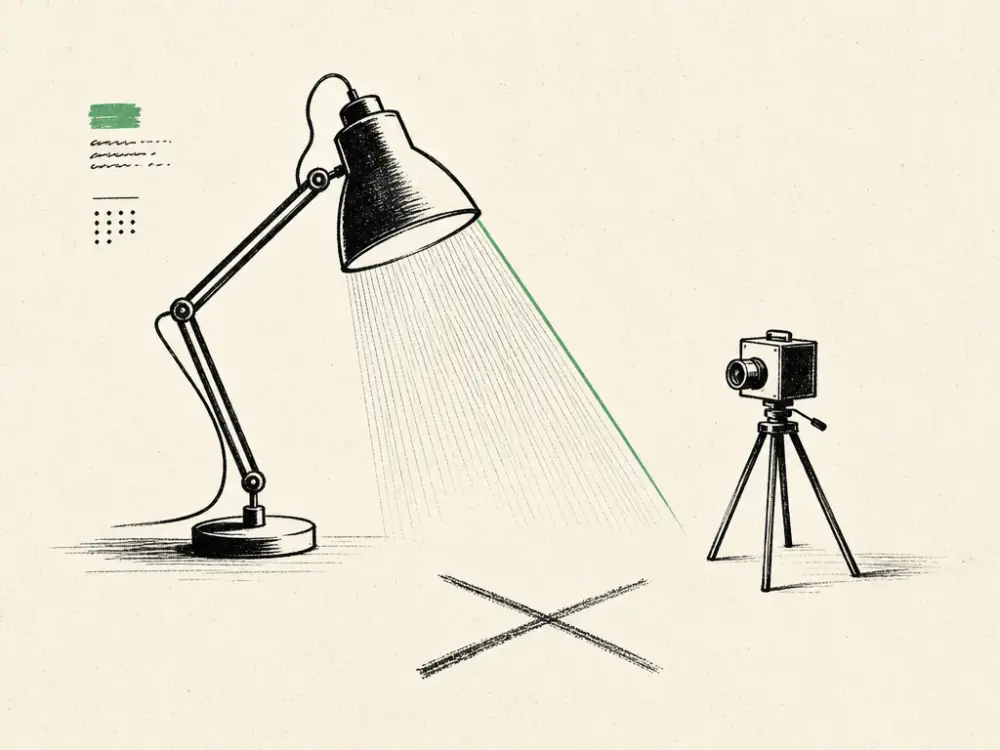
Set up one spot in a treatment room. Mark the floor where the patient stands or sits, fix the light, and use the same camera or the same clinic phone on a small stand. Take front, both sides and a three-quarter view. It takes five minutes to set up once and saves every photo afterwards.
2. No filters, no retouching, no tricks
The Advertising Standards Authority (the ASA, which polices UK ads, including your website and social posts) is not against before and after photos. What it rules against is anything that exaggerates the result. That includes filters, smoothing, changed lighting, make-up in one shot and not the other, and photos taken at a different point in the healing process than you claim.
A small line saying “individual results vary” does not rescue a misleading picture. The image has to be honest first. If you’d be uncomfortable showing the raw file next to the published one, don’t publish it. I covered the wider rules in UK aesthetic advertising rules.
3. Be careful with anti-wrinkle results
Botulinum toxin is a prescription-only medicine. In the UK you can’t promote prescription-only medicines to the public, and that includes posting results that name the product or make the injection the star. The ASA has ruled against plenty of clinics for exactly this on Instagram.
The safer approach is to talk about the consultation, not the medicine. Show that you assess, plan and follow up. Many clinics keep toxin results for the consultation itself, shown in person, rather than on the open website. Filler, skin and laser results carry fewer restrictions, but the honesty rules above still apply.
Also remember that adverts for cosmetic procedures must not be aimed at under-18s. That affects where and how you share results on social media, not just what the photos show.
4. Get separate, written consent for marketing
This is the one most clinics get wrong. A clinical photo of a patient’s face, taken as part of their treatment, counts as health data under UK GDPR. That’s the most protected type of personal data. Consent to take photos for their medical record is not consent to put them on your website.
You need a separate, clear, written consent for marketing use. Spell out where the photo might appear (website, Instagram, printed leaflets), whether the face will be shown or cropped, and how long you’ll keep using it. Make it a genuine choice: no discount for saying yes, no pressure at the end of the appointment. And tell patients they can withdraw consent at any time, then have a process for actually removing the photo when they do. My post on GDPR for aesthetic clinic marketing goes into the wider consent rules.
5. Store them like the medical records they are
Photos on a practitioner’s personal phone, synced to their personal cloud account, are a breach waiting to happen. If that person leaves, so do your patients’ photos.
Use one clinic device, or the photo feature in your clinic software, and keep everything in one secure place the clinic controls. Remove the images from any phone once they’re uploaded. Keep a simple log: patient, date, treatment, consent given, where it’s been published. When someone withdraws consent, that log tells you exactly what to take down.
6. Build the gallery so it leads to a booking
A gallery that’s just a grid of photos is a missed chance. Group results by treatment, so someone looking at lip filler only sees lip filler. Add a short, honest caption to each: the treatment, the number of sessions, how long after treatment the “after” was taken, and who treated them.
Then put the next step right there. A patient who has just scrolled through twelve good results is at their most ready to book. If the only way forward is to hunt for a phone number in the footer, a lot of them will leave and think about it, and many won’t come back. A clear “book a consultation” button under each treatment set, and a phone line that’s actually answered, keeps them.

What to do this week
In priority order:
- Check every published photo against your consent records. If you can’t find written marketing consent for an image, take it down today. It’s the easiest risk to remove.
- Remove anything that names a prescription-only medicine on your website and social profiles, and replace it with consultation-led wording.
- Write a one-page photo consent form that’s separate from your treatment consent, and start using it on every new patient from Monday.
- Set up one fixed photo spot in a treatment room, with the same light, distance and angle, so every new result is comparable from now on.
Do those four and your gallery becomes something you can lean on, instead of something you hope nobody looks at too closely.
Surinder Ahitan grew CoLaz from one aesthetic clinic to nine across the UK between 2016 and 2022, and still runs its website.
If you’d like a website that’s built to turn those results into booked consultations, I build and run sites for UK aesthetic clinics for £297 a month, with no build fee and no minimum term. Missed-call text-back, review requests and an AI receptionist for live calls are included, so the patient who’s ready to book actually gets through. Book a 30-minute call and I’ll tell you honestly whether it fits your clinic.